This is a recap of the 2026 Upper Peninsula Dark Sky Festival, which was an intimate, immersive gathering centered on wonder, learning, and connection — all under some of the darkest skies in the Midwest.
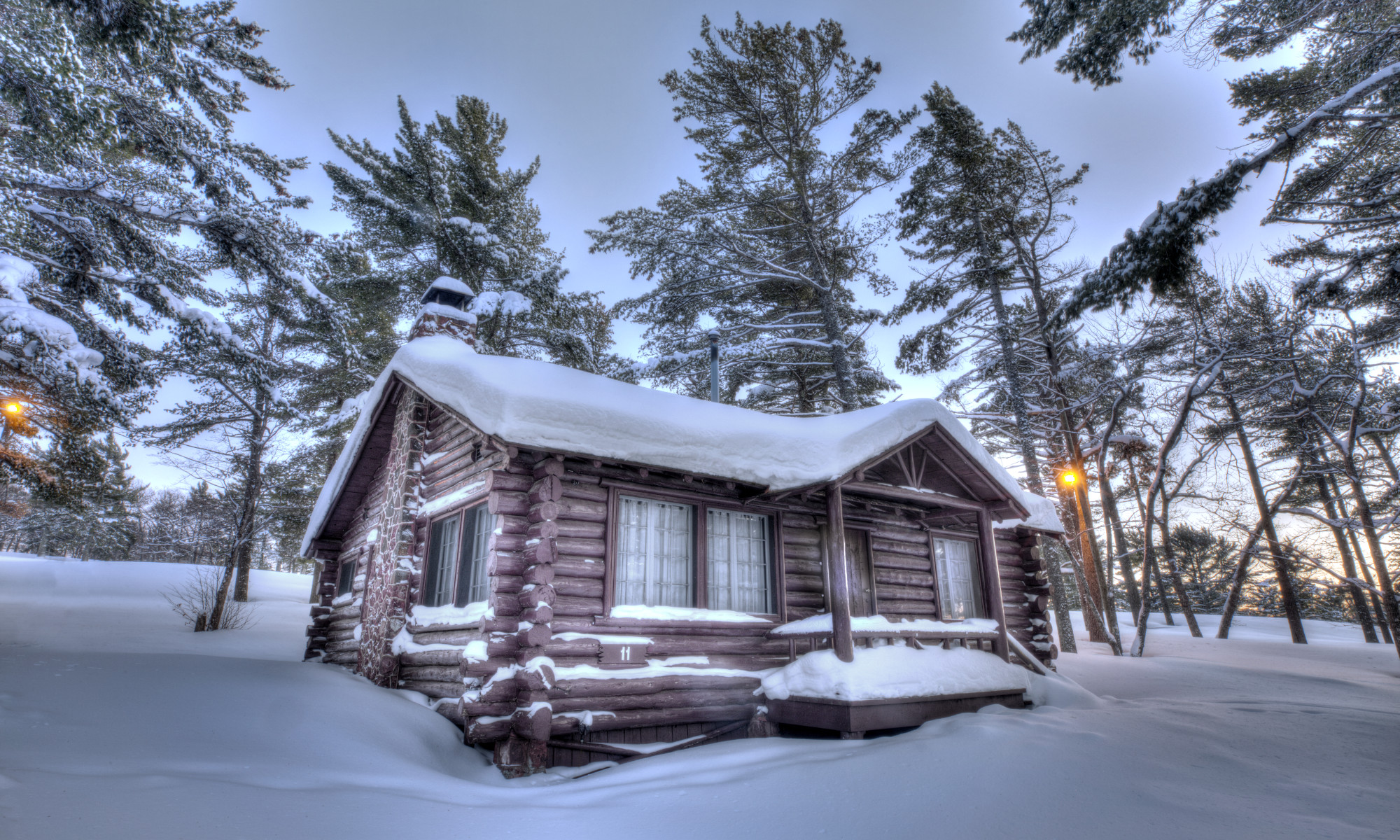
The festival provided a relaxed, retreat-like atmosphere where attendees connected with the night sky, as well as the speakers. The rustic setting of the lodge anchored the experience in nature and reinforces the festival’s ethos of slowing down and being present.
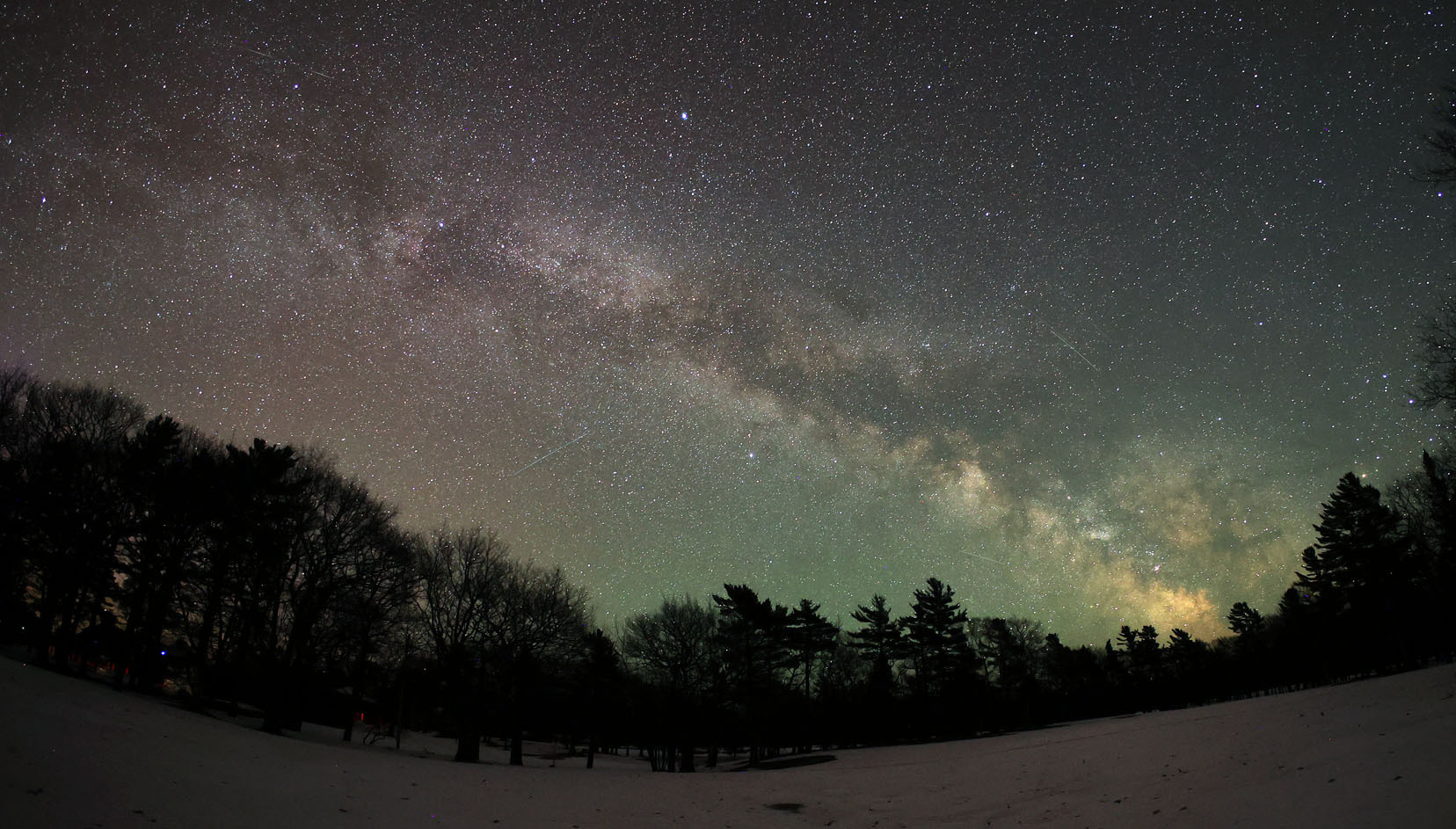
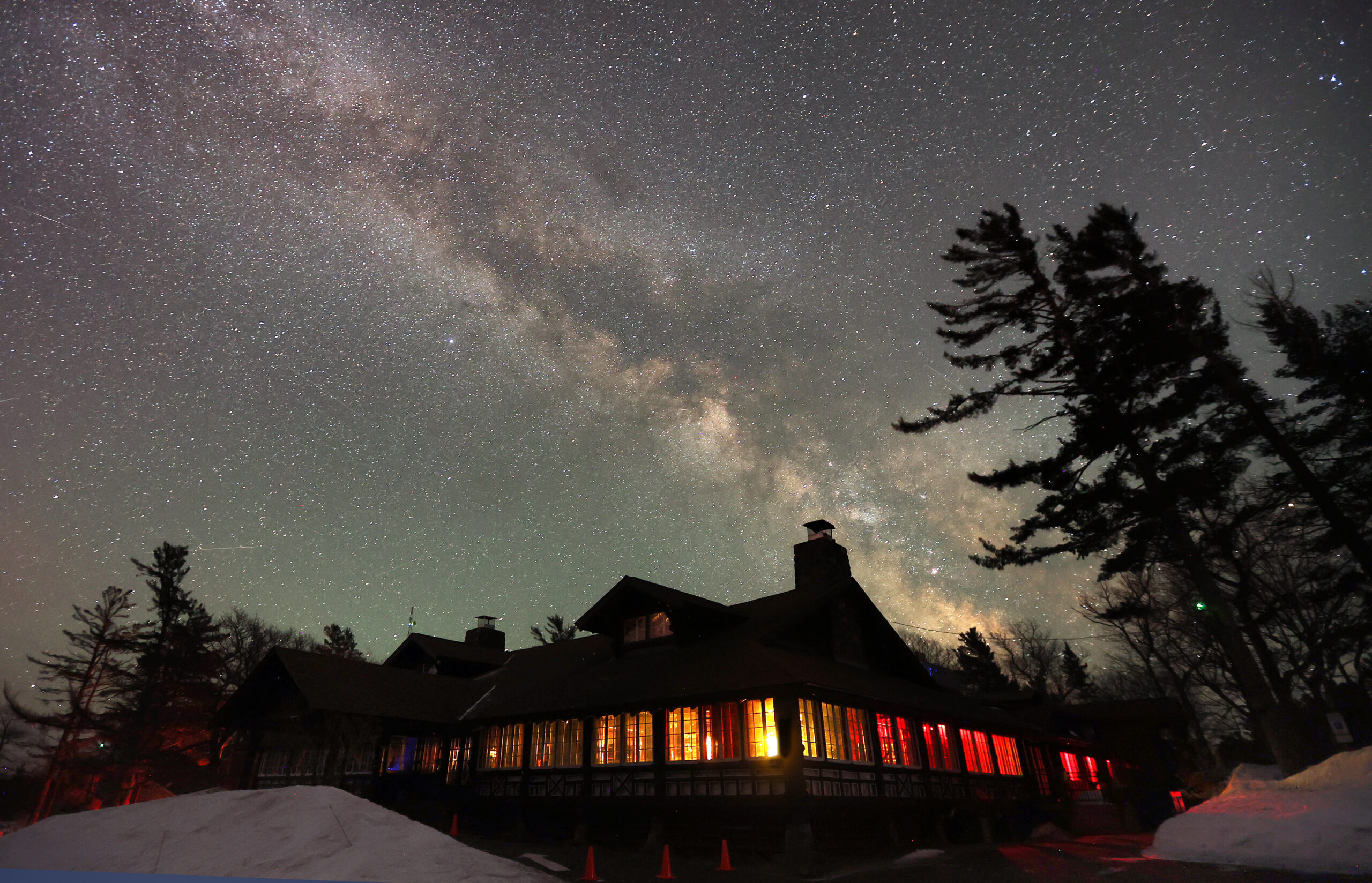
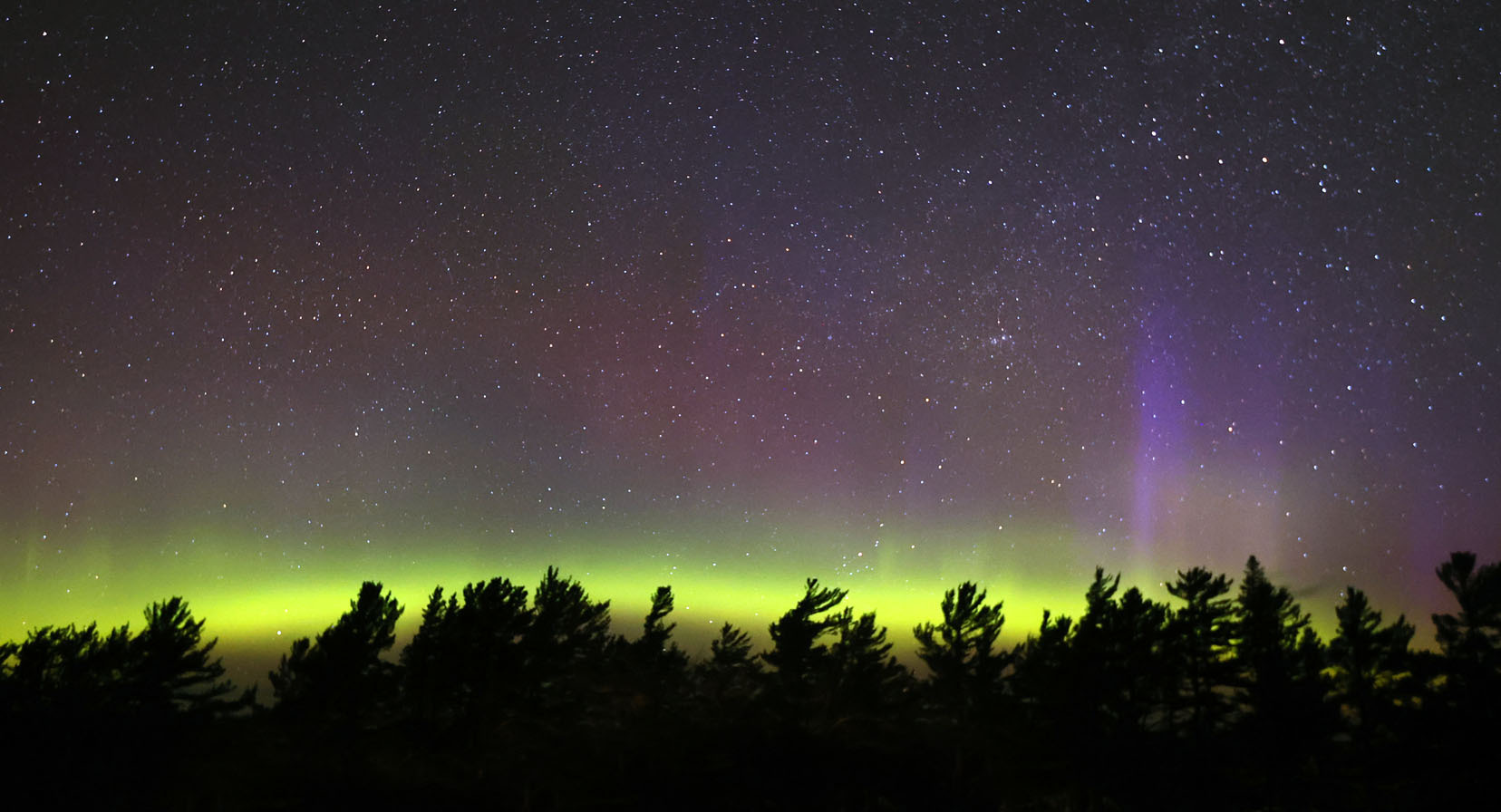
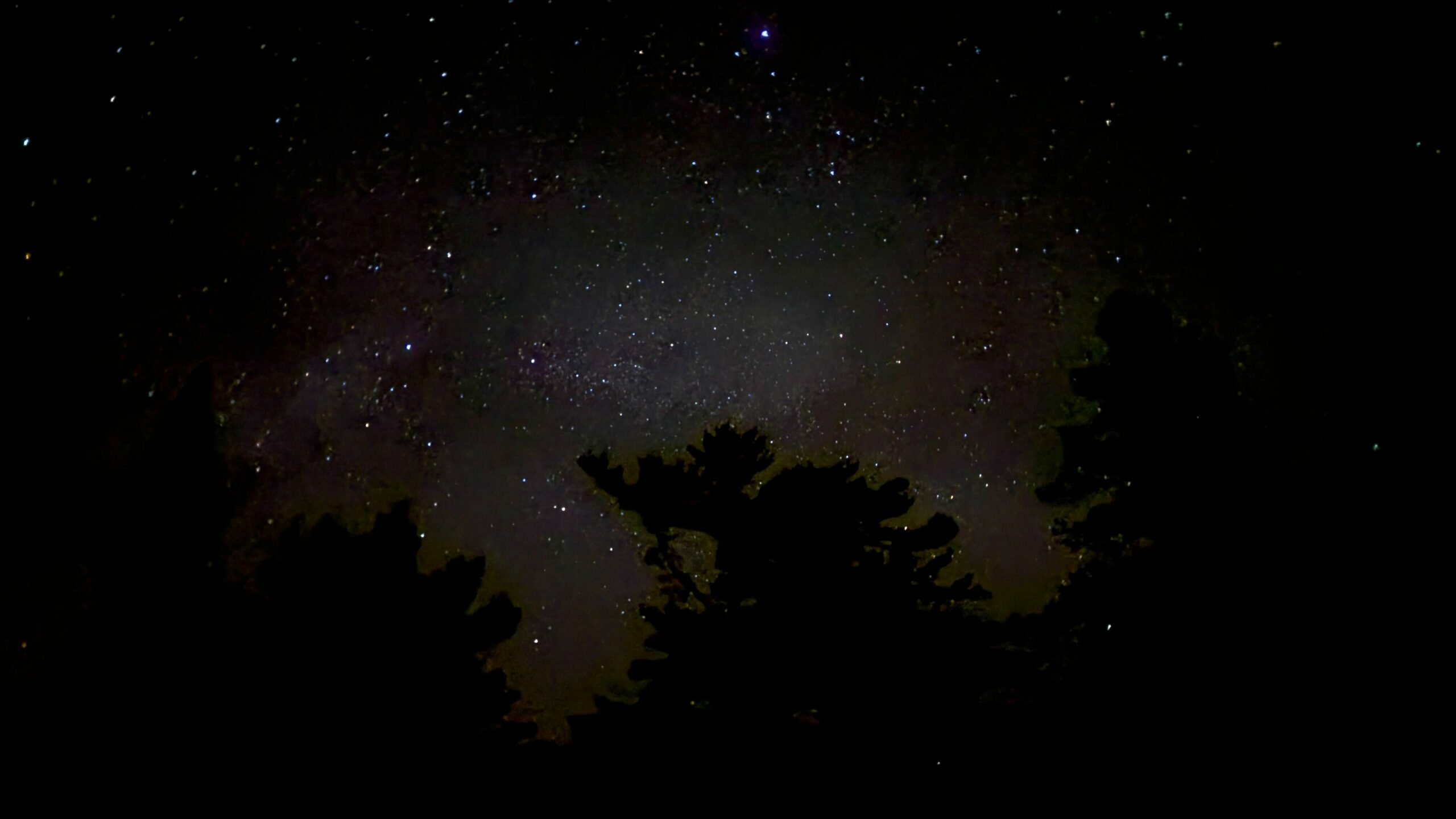
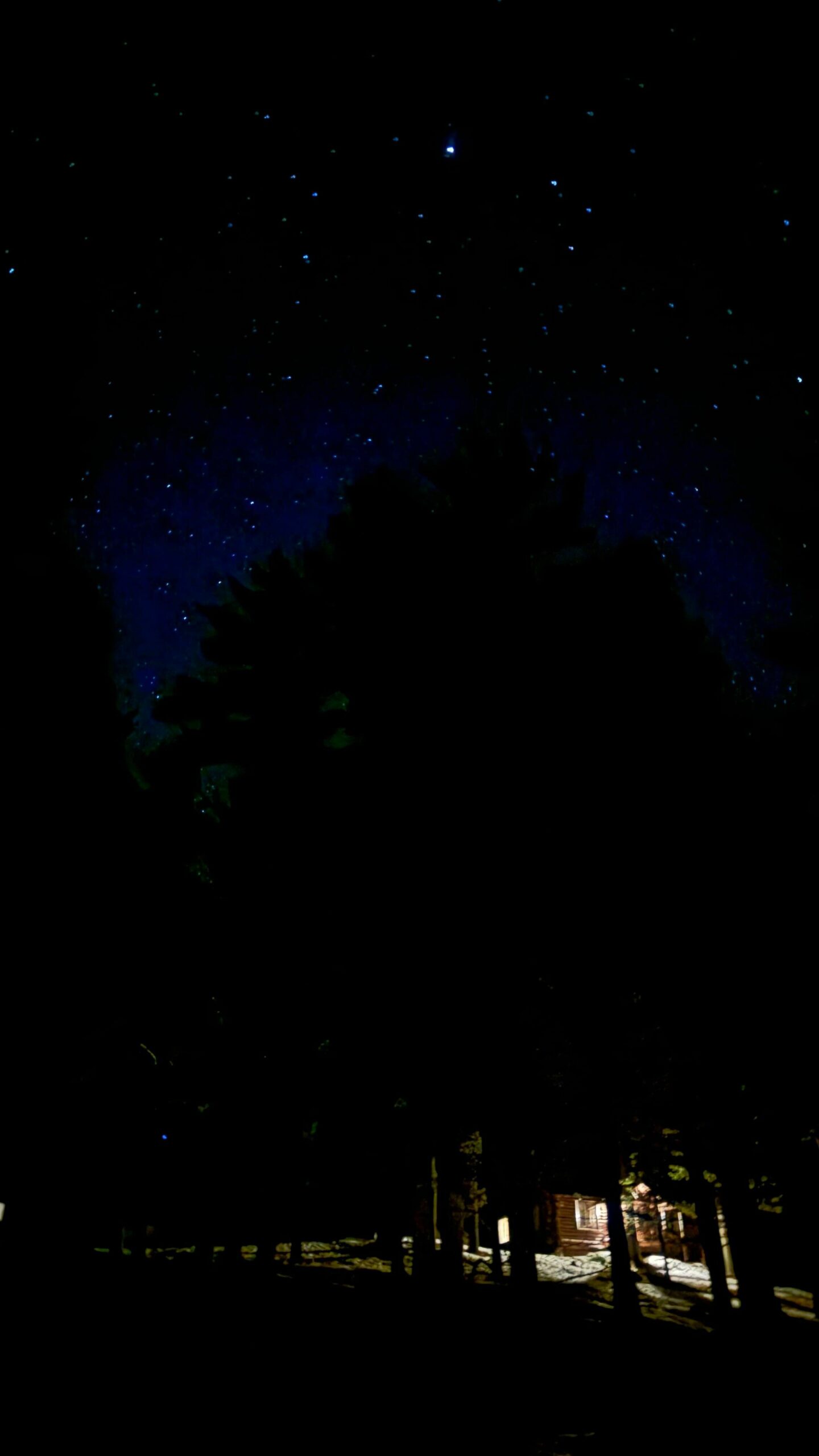
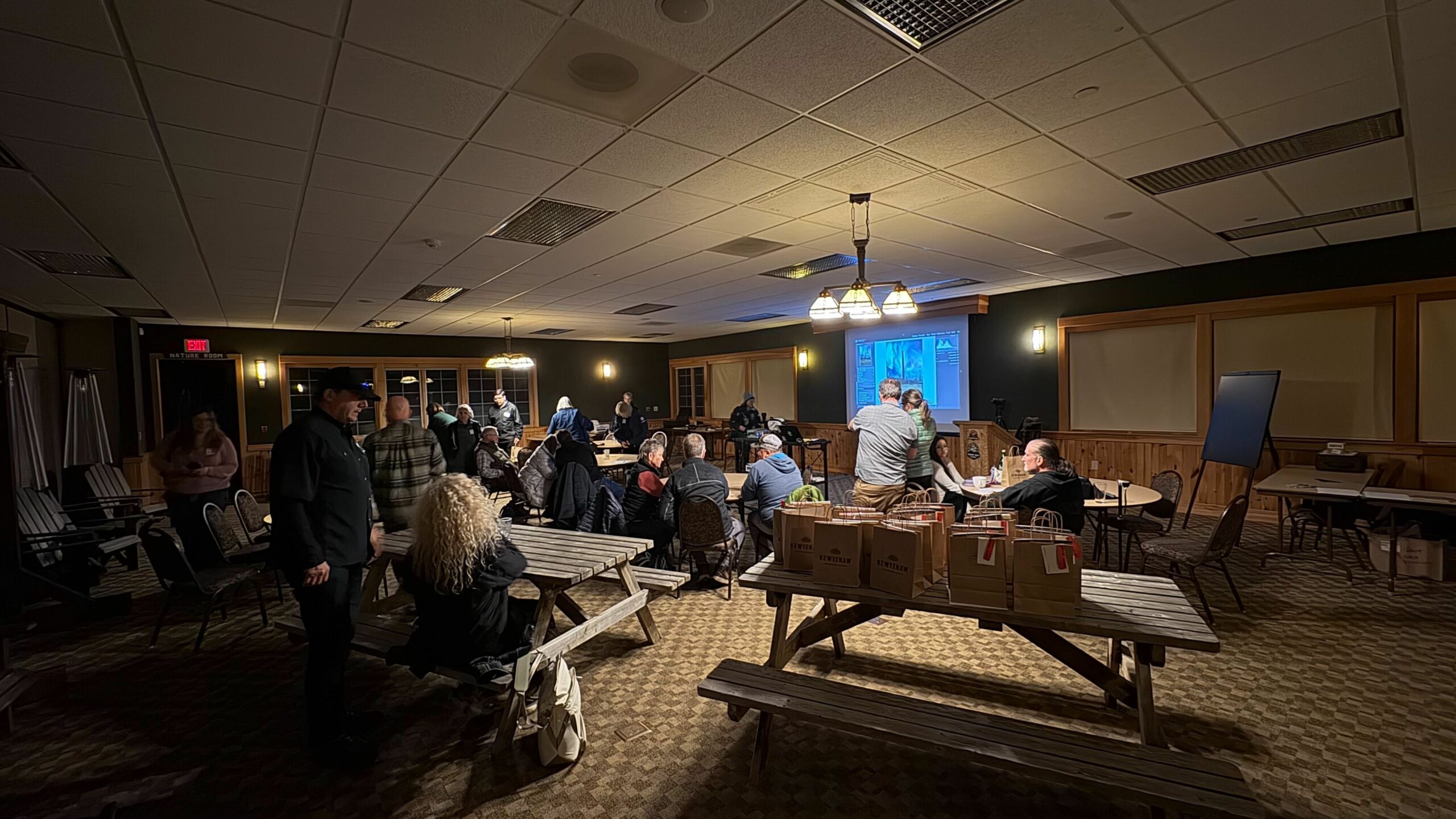
This is illustrated in the photos shown from the festival, which collectively portray a festival that blends education, creativity, and shared experience. Daytime scenes highlight hands-on workshops and talks — the participants gathered in small groups for watercolor painting, photography instruction, and astronomy presentations. During the evening, the tone shifted to awe and exploration when the stars out (with the auroras making a faint appearance). The night time photos from the event emphasize stargazing and quiet moments beneath star-filled skies. These scenes from the photos capture the core purpose of the festival: to inspire appreciation for natural darkness and deepen awareness of light pollution and its impact.
Overall the 2026 festival was more than a series of events — it was a multi-day journey that moved from curiosity and creativity in the daylight to reflection and wonder at night. Through a balance of science, art, and like-minded individuals, the festival created a meaningful, memorable experience rooted in the beauty of the night sky. All of this while enjoying rustic worldly food and a stay in a historic cabin.
Below, view photos from the event.
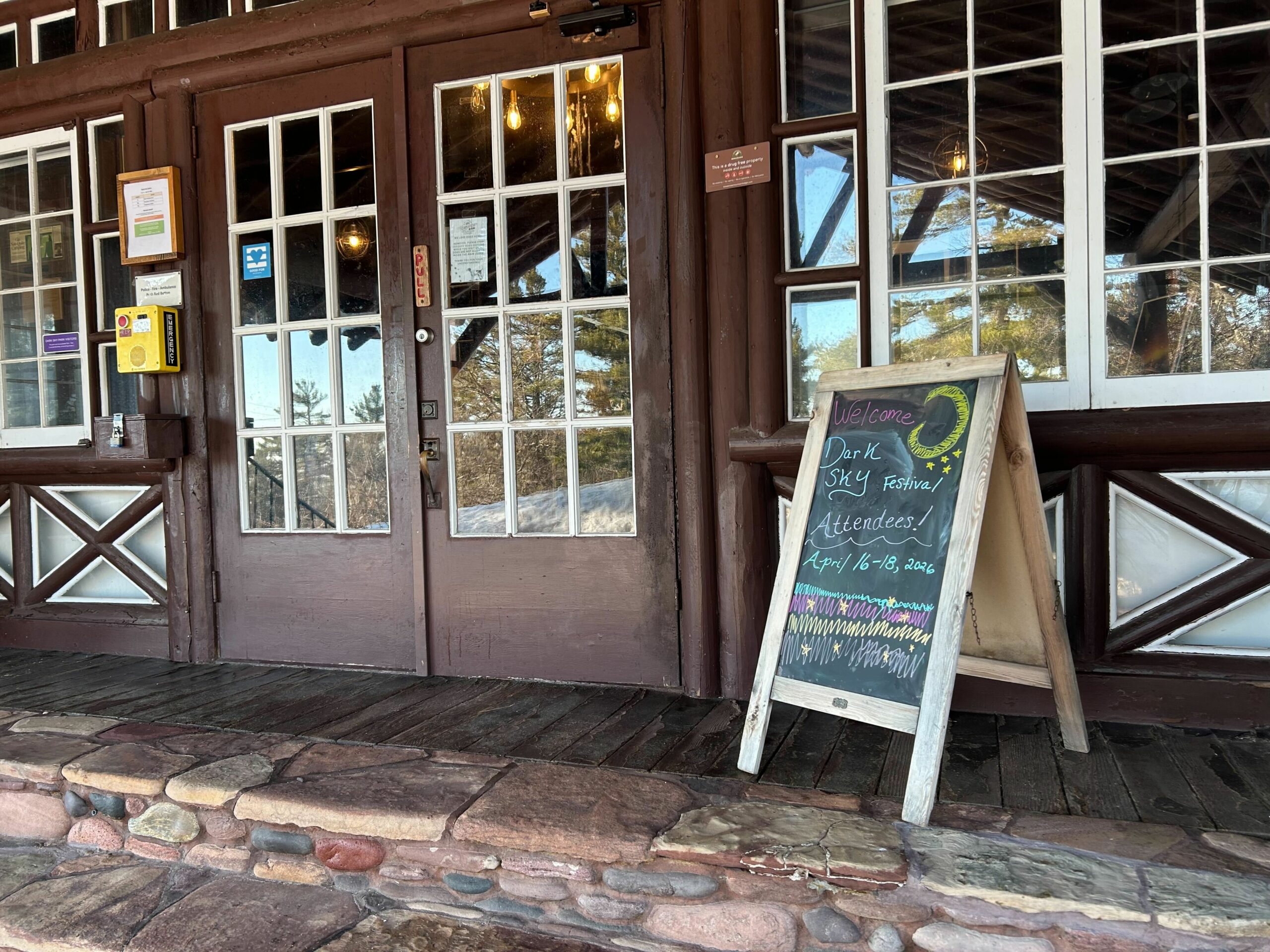
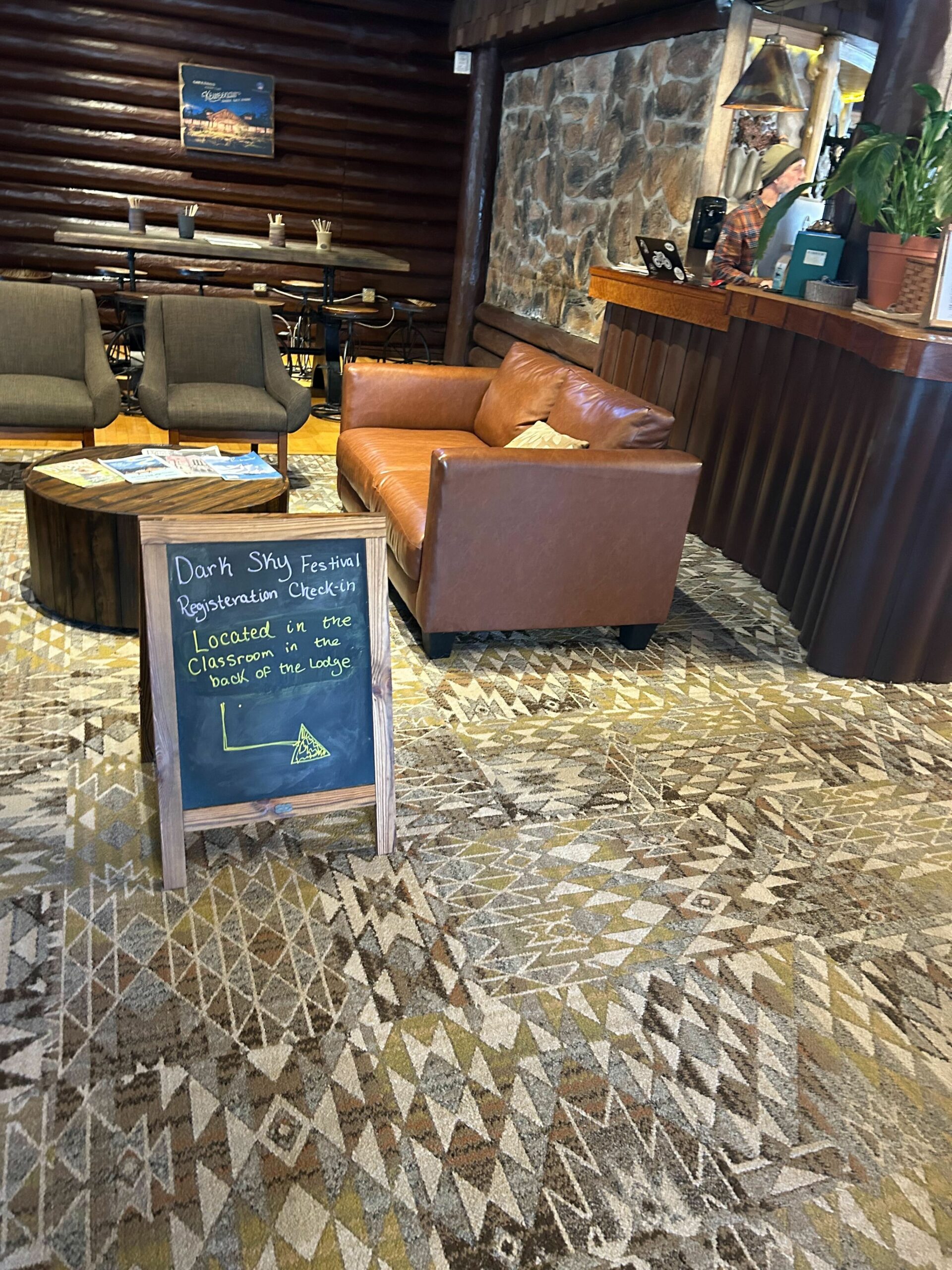
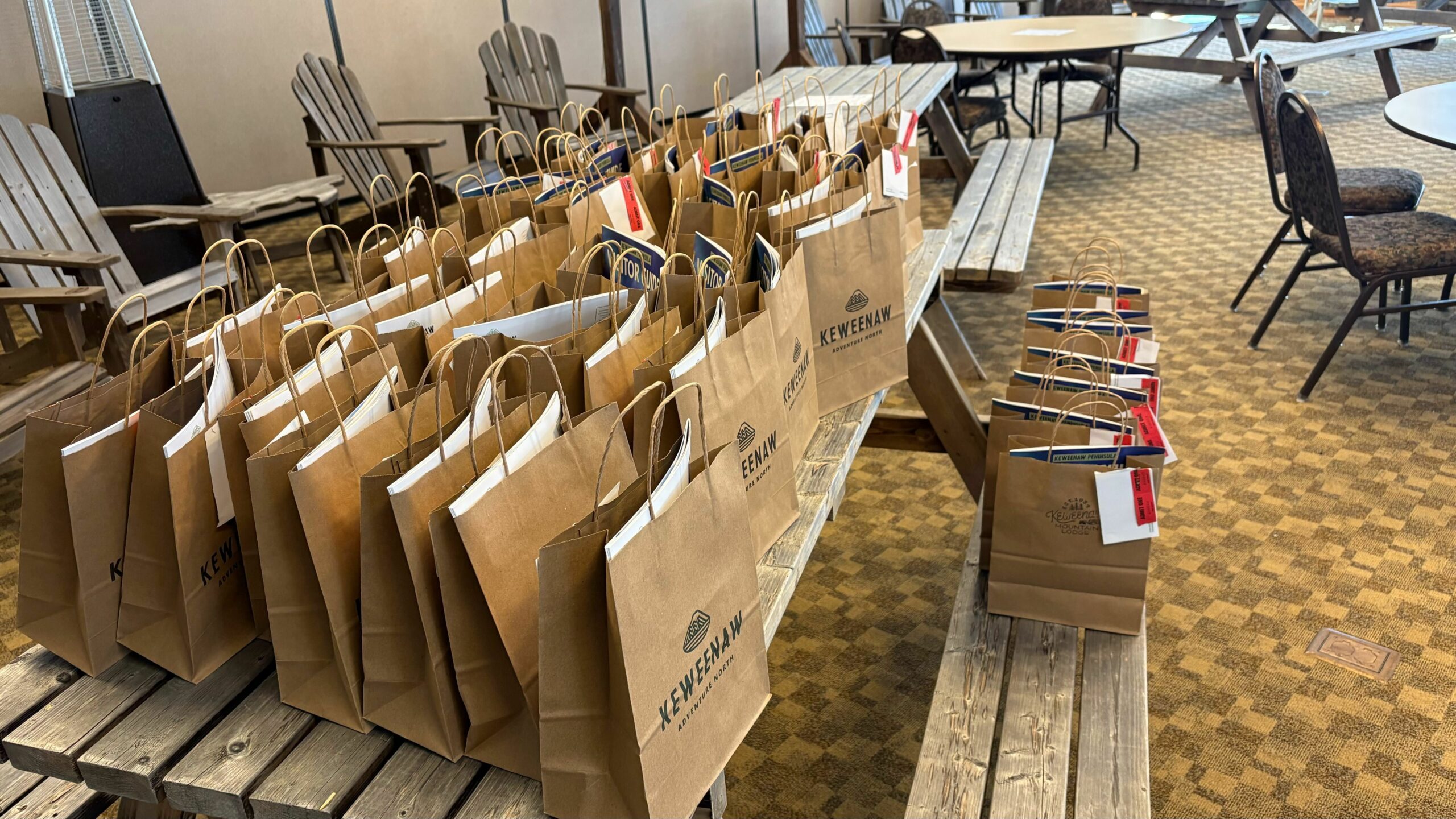
Registration was on Thursday afternoon.
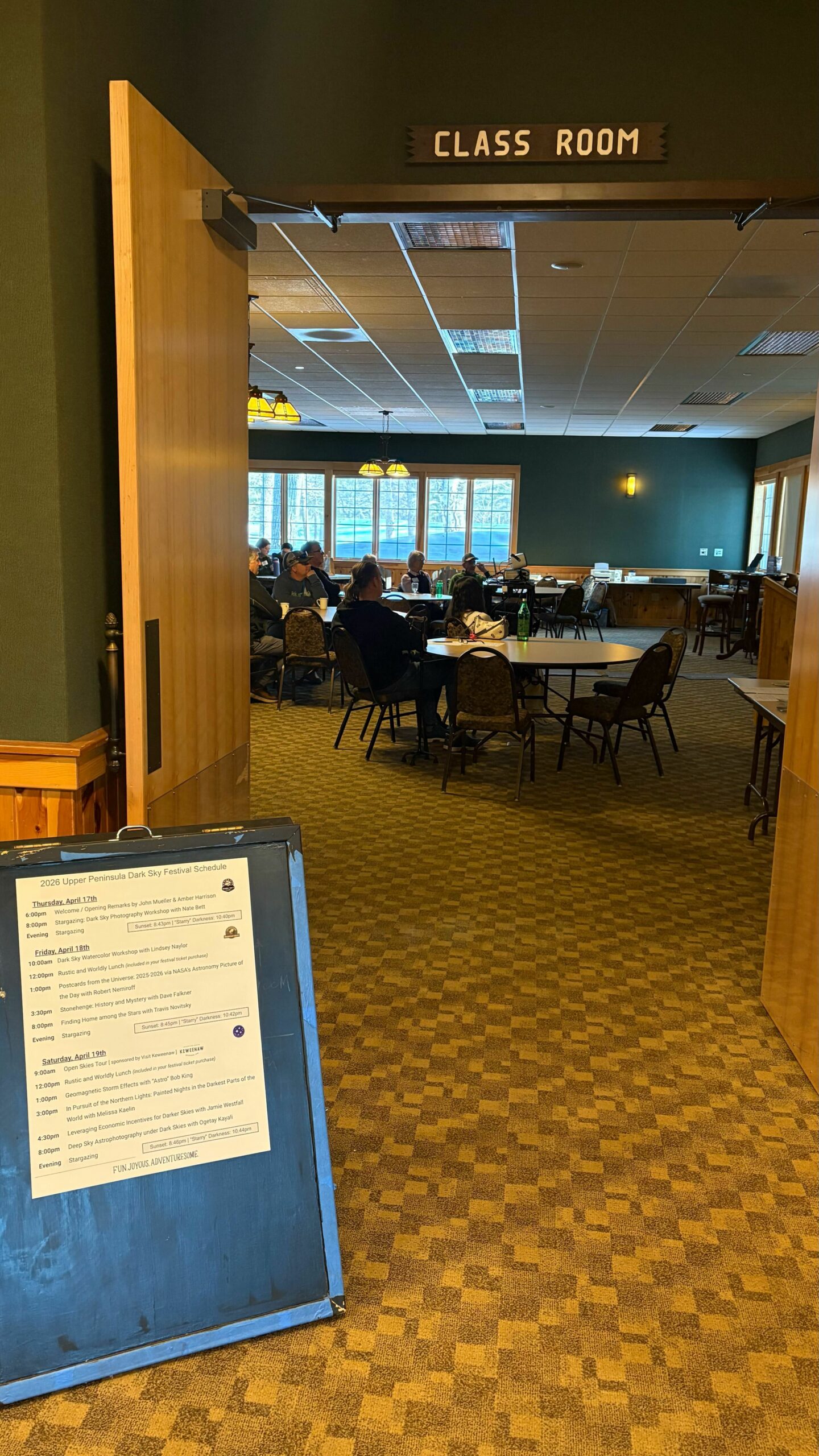
Welcome / Opening Remarks, with John Mueller and Amber Harrison
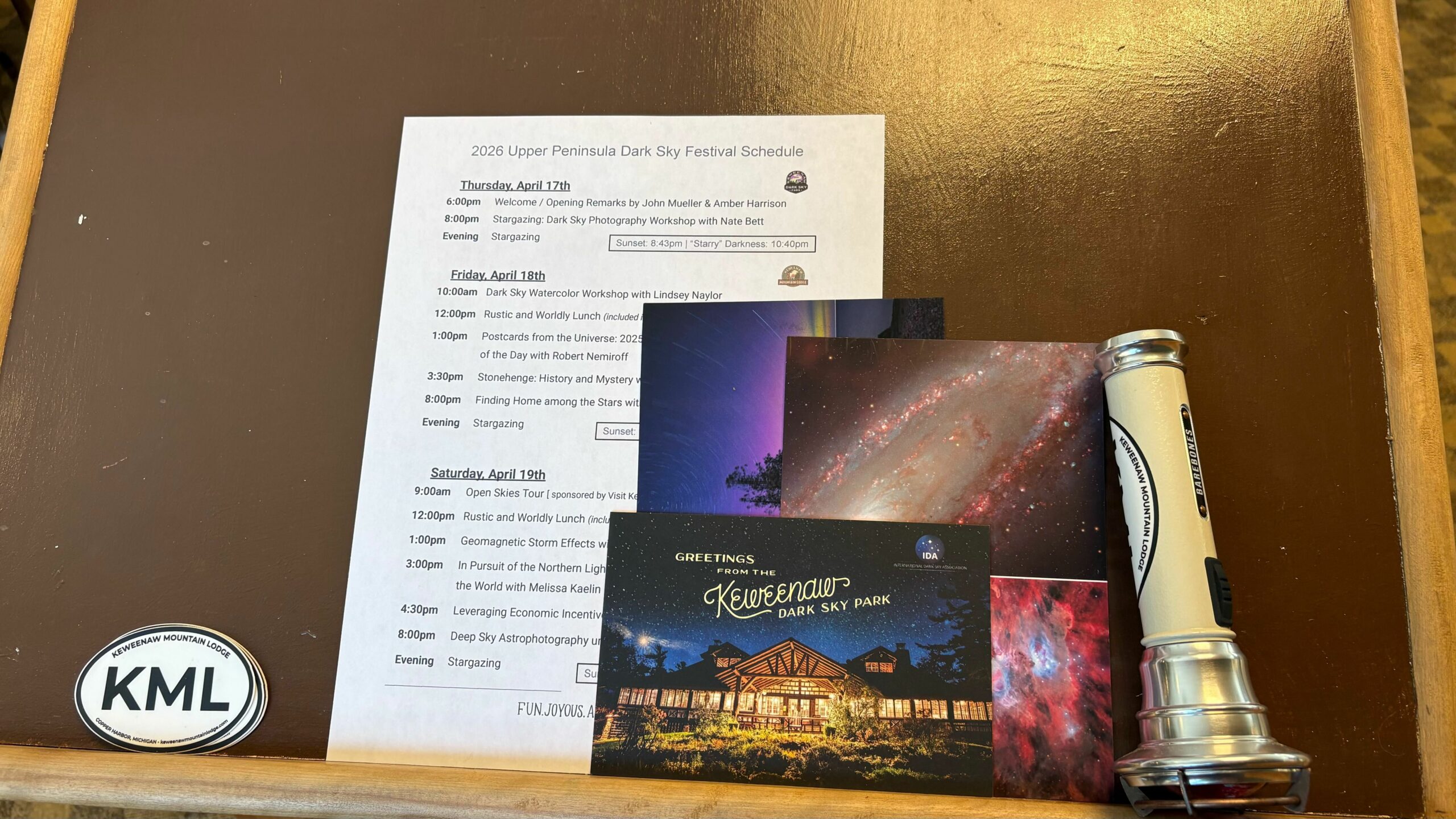
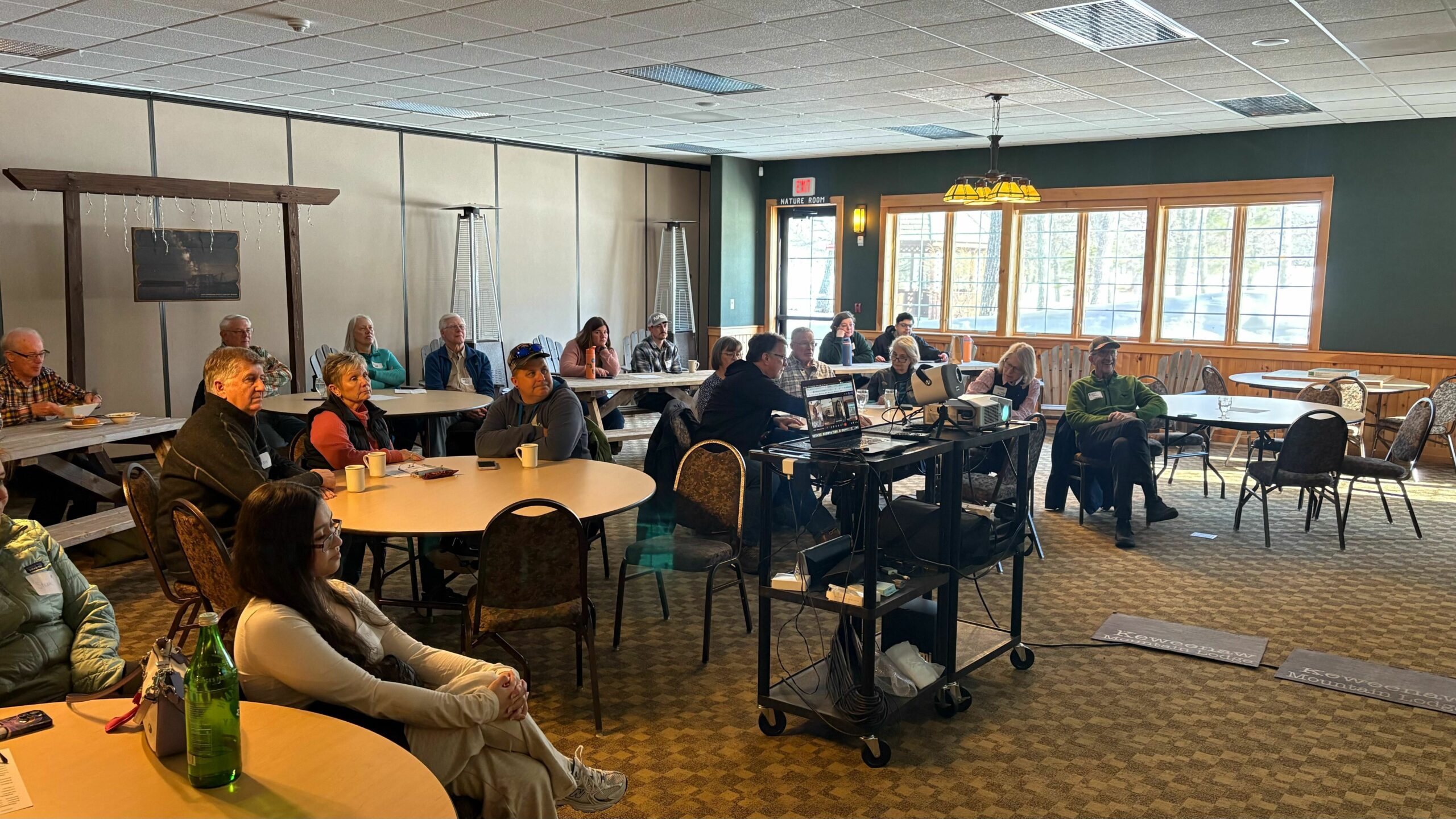
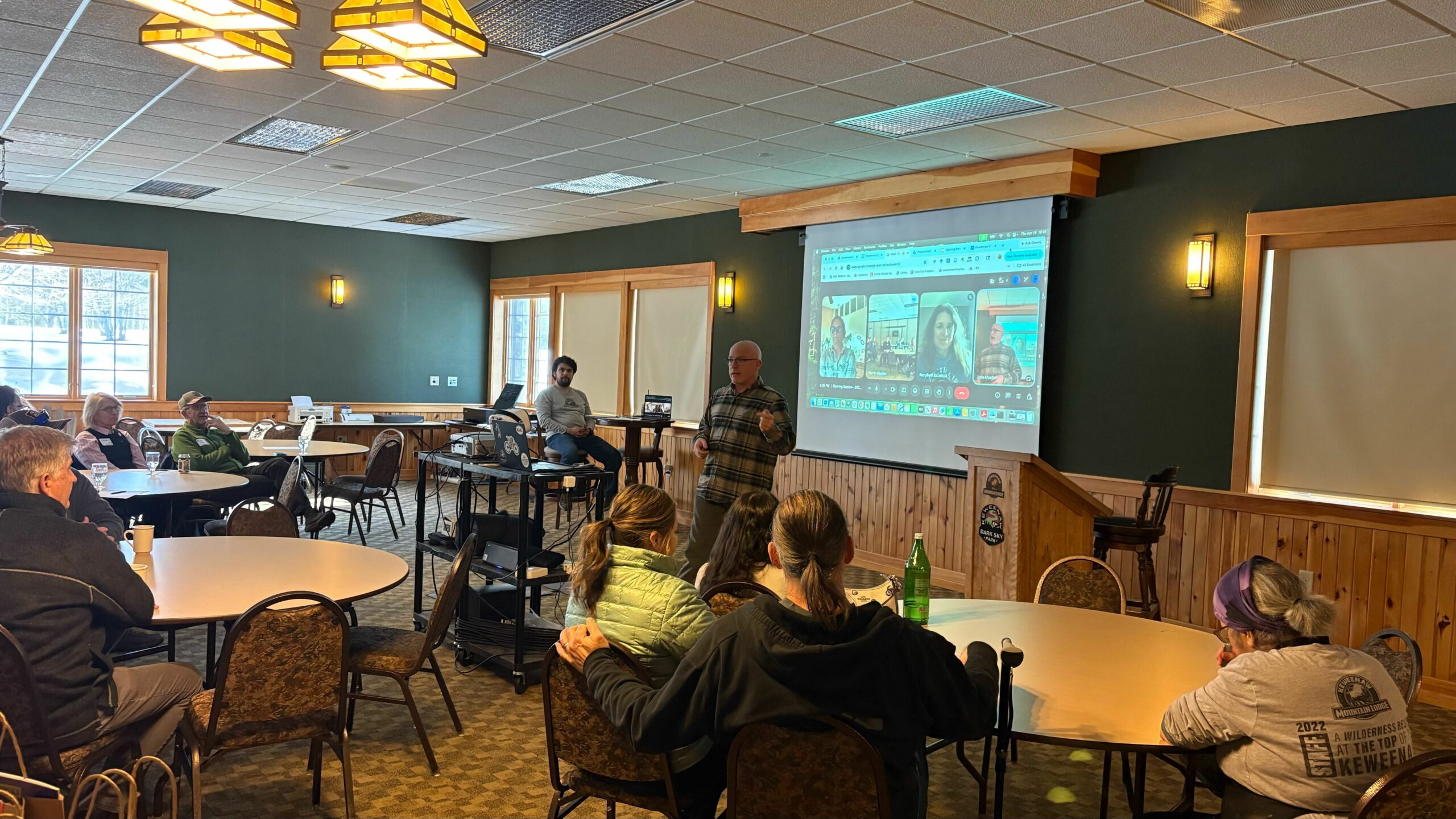
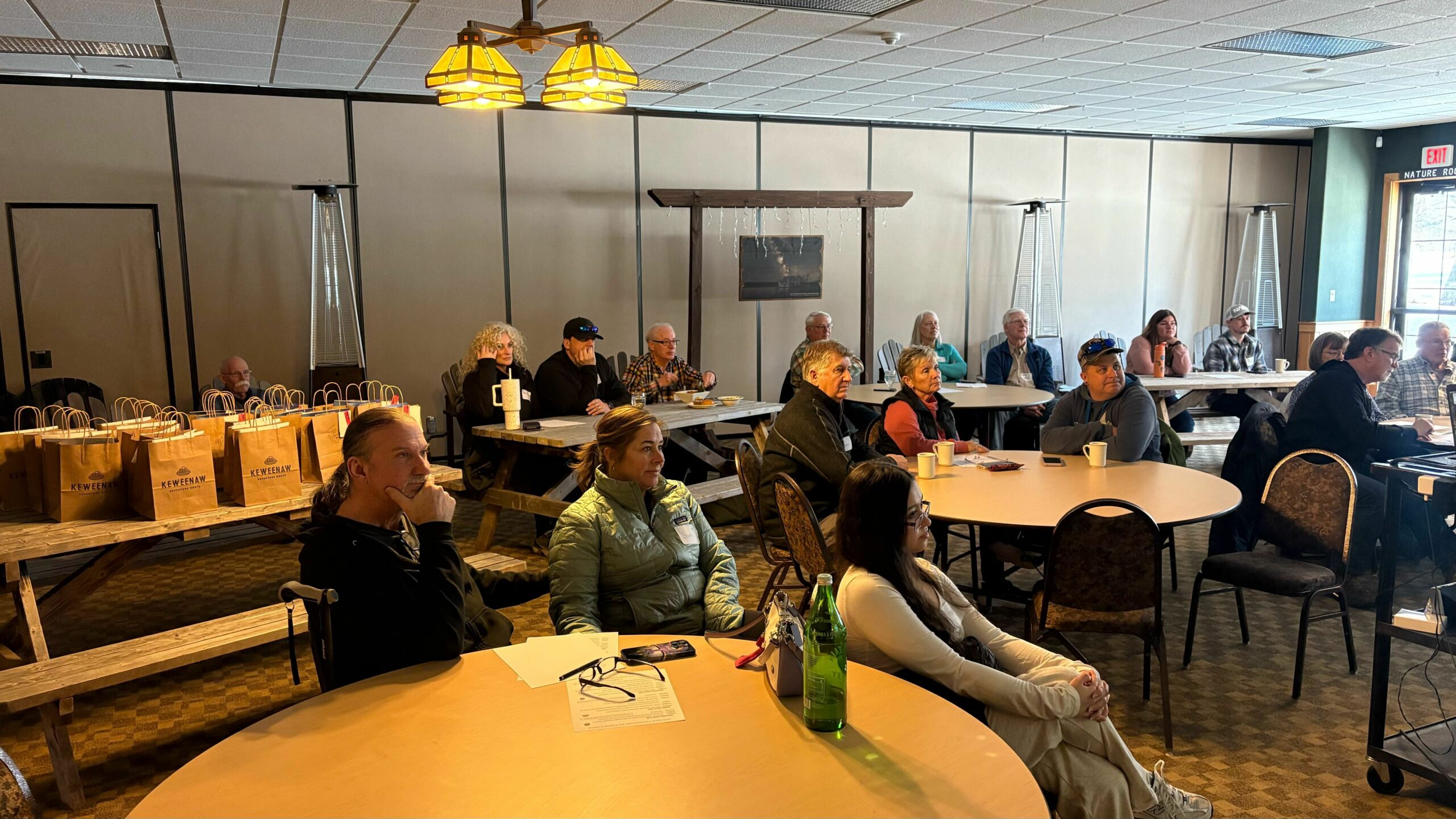
We started off the festival on Thursday evening with an welcoming and intro. John Mueller kicked things off and went through the history of the festival and the dark sky park. Amber Harrison, from DarkSky International, joined virtually to provide an update on the dark sky places program. There are over 260 dark sky places around the world now. In addition, we had past speakers as special guests join us: MaryBeth Kiczenski (virtually, she was traveling in Utah) and Tom Oliver (in-person).
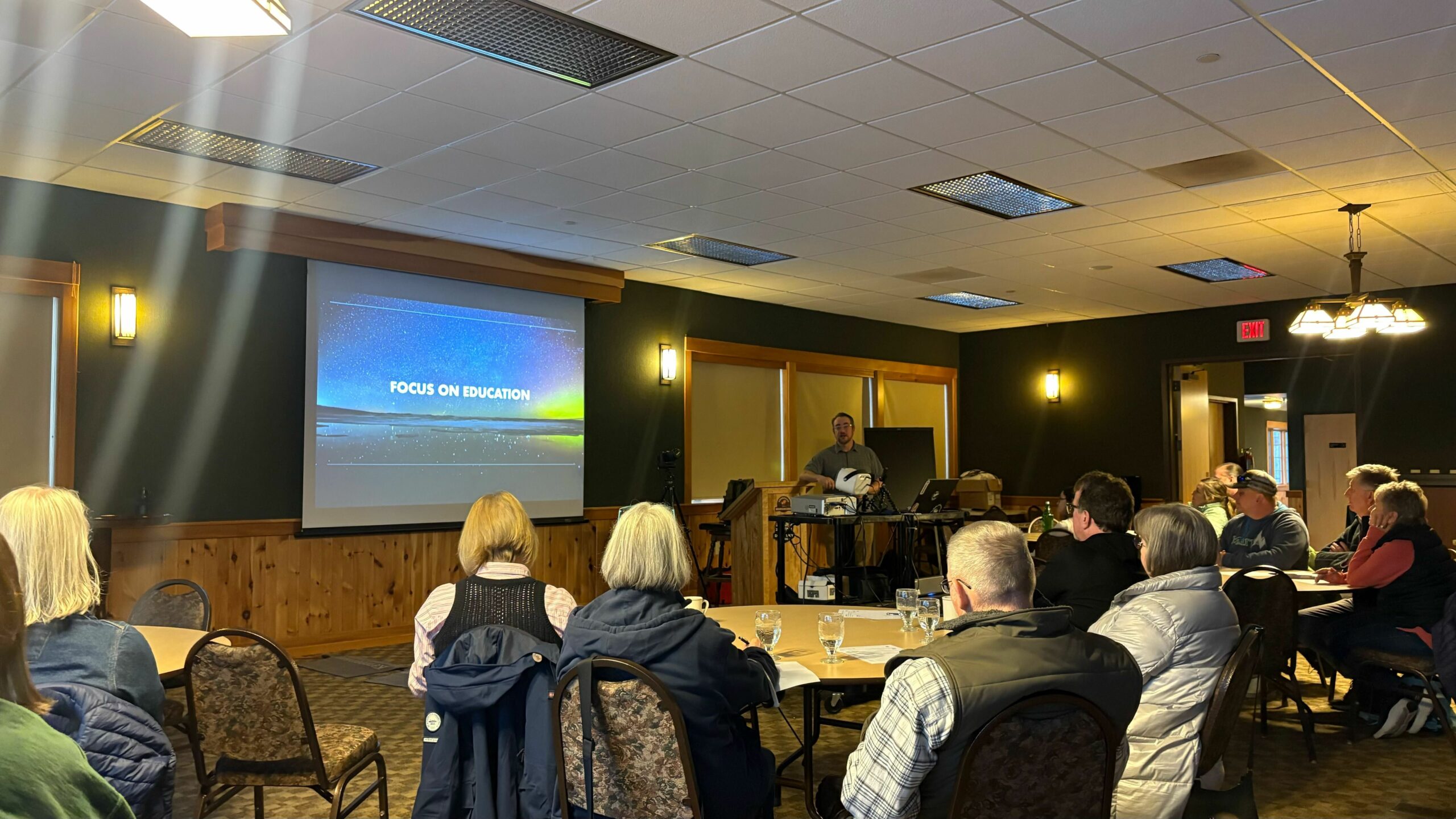
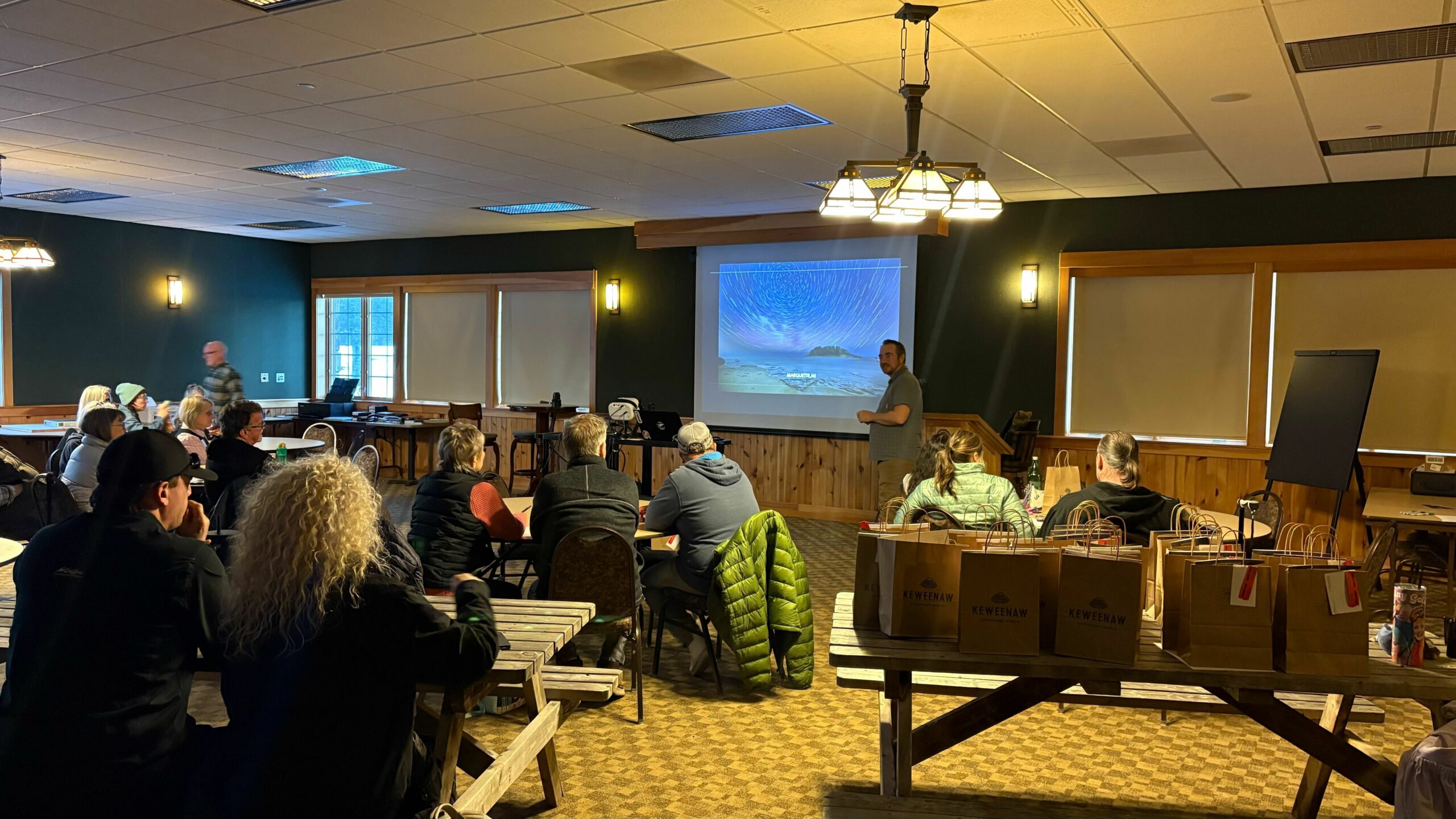
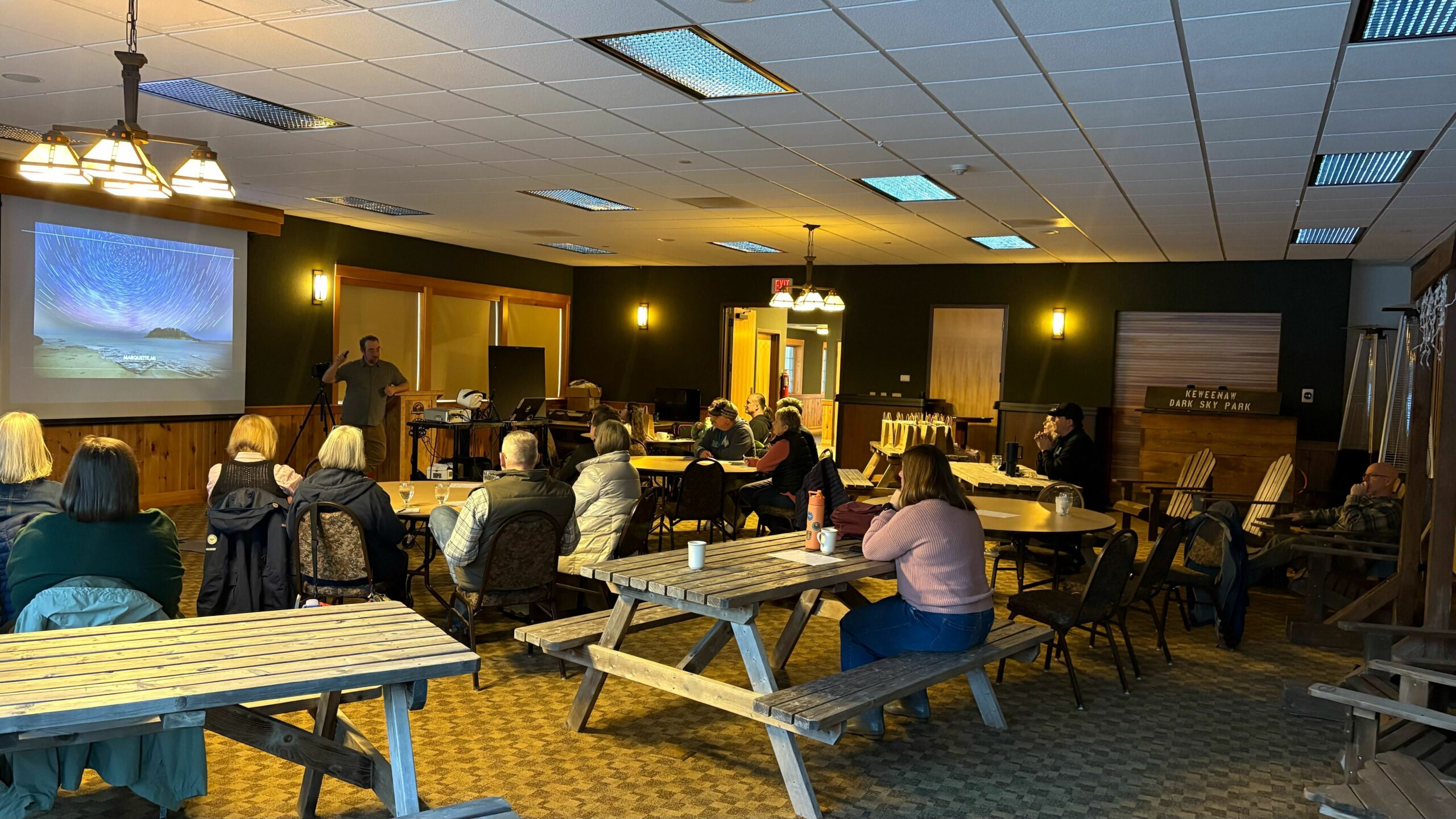
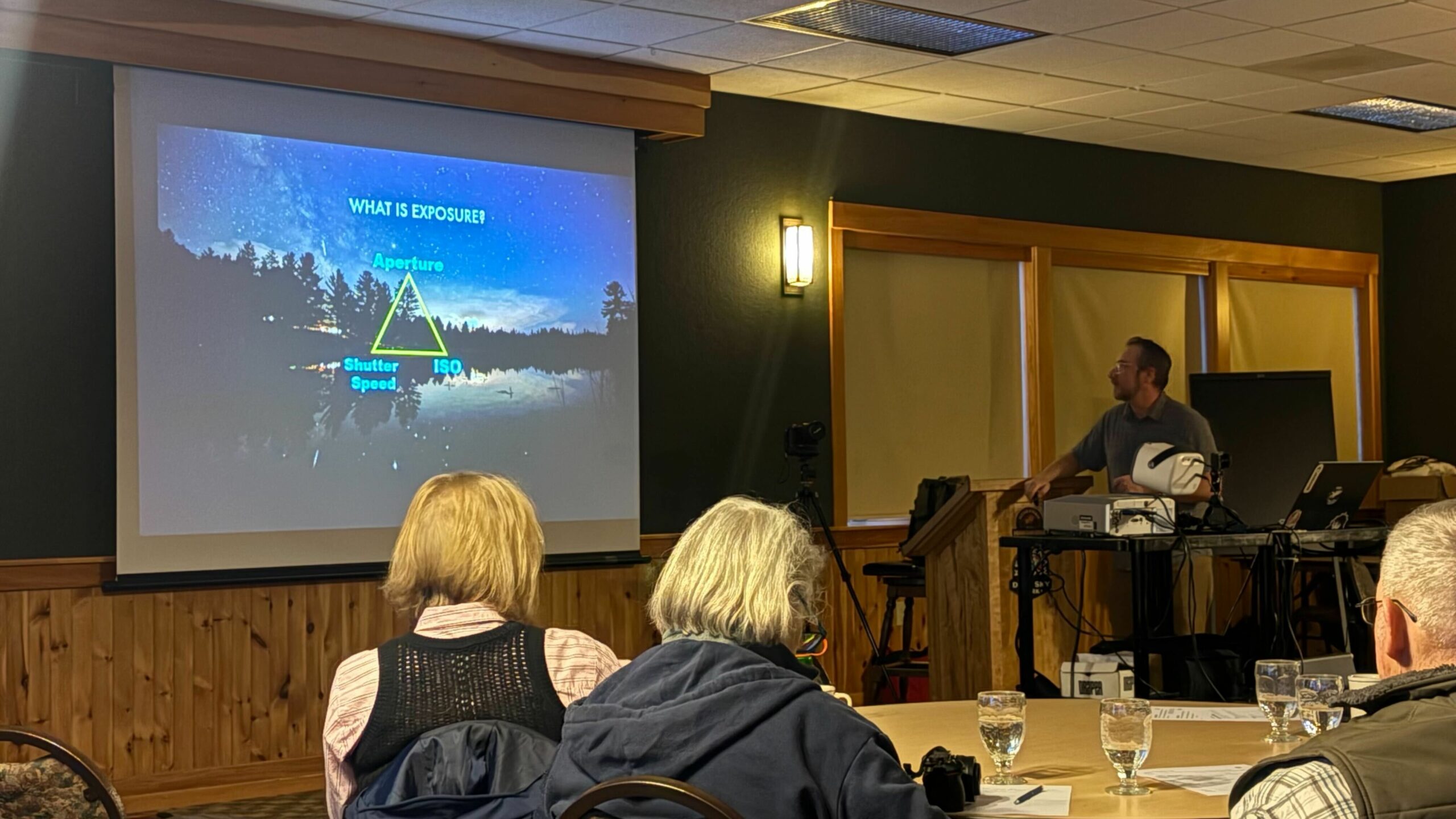
Night Sky Photography Workshop, with Nate Bett
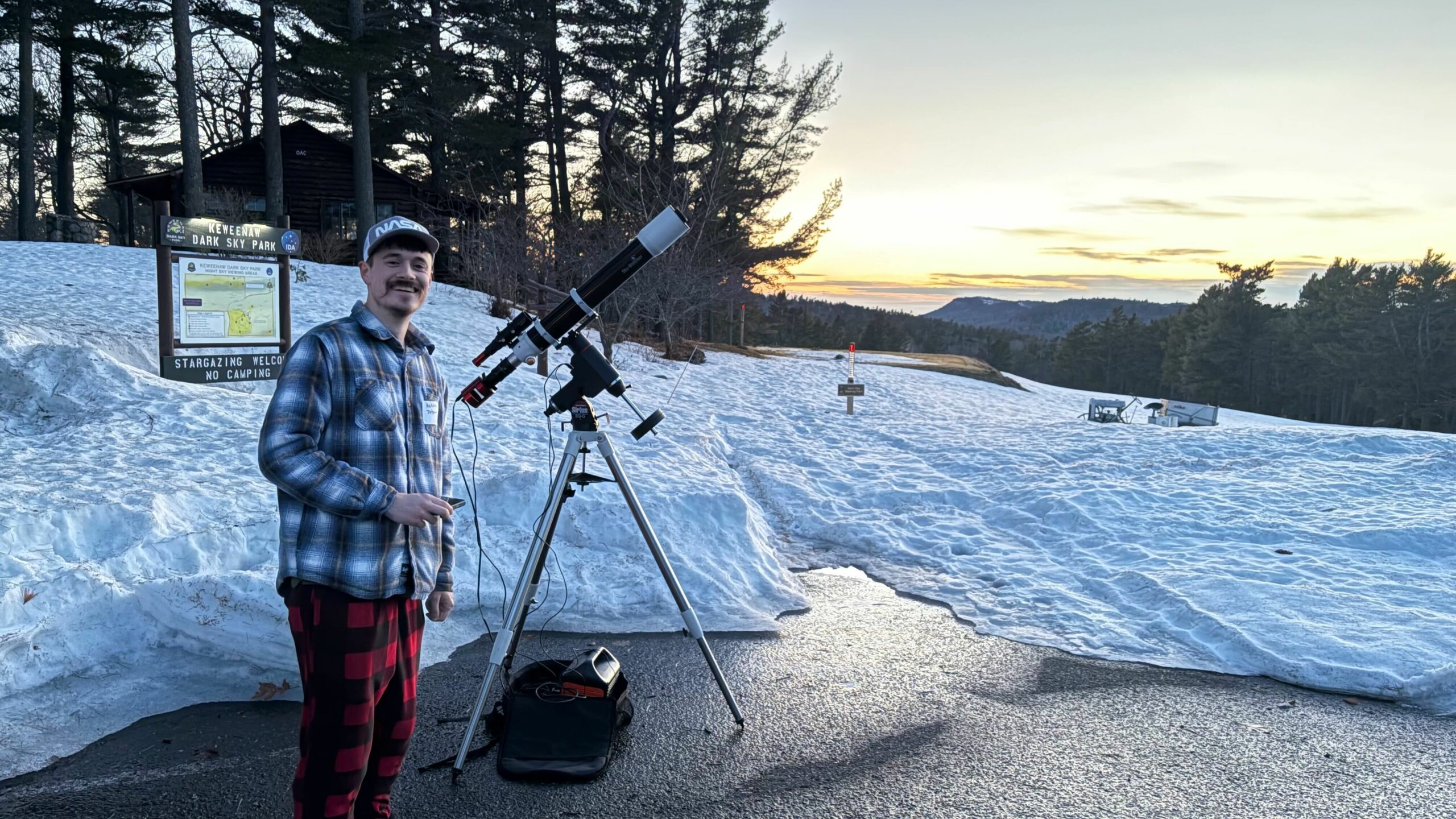
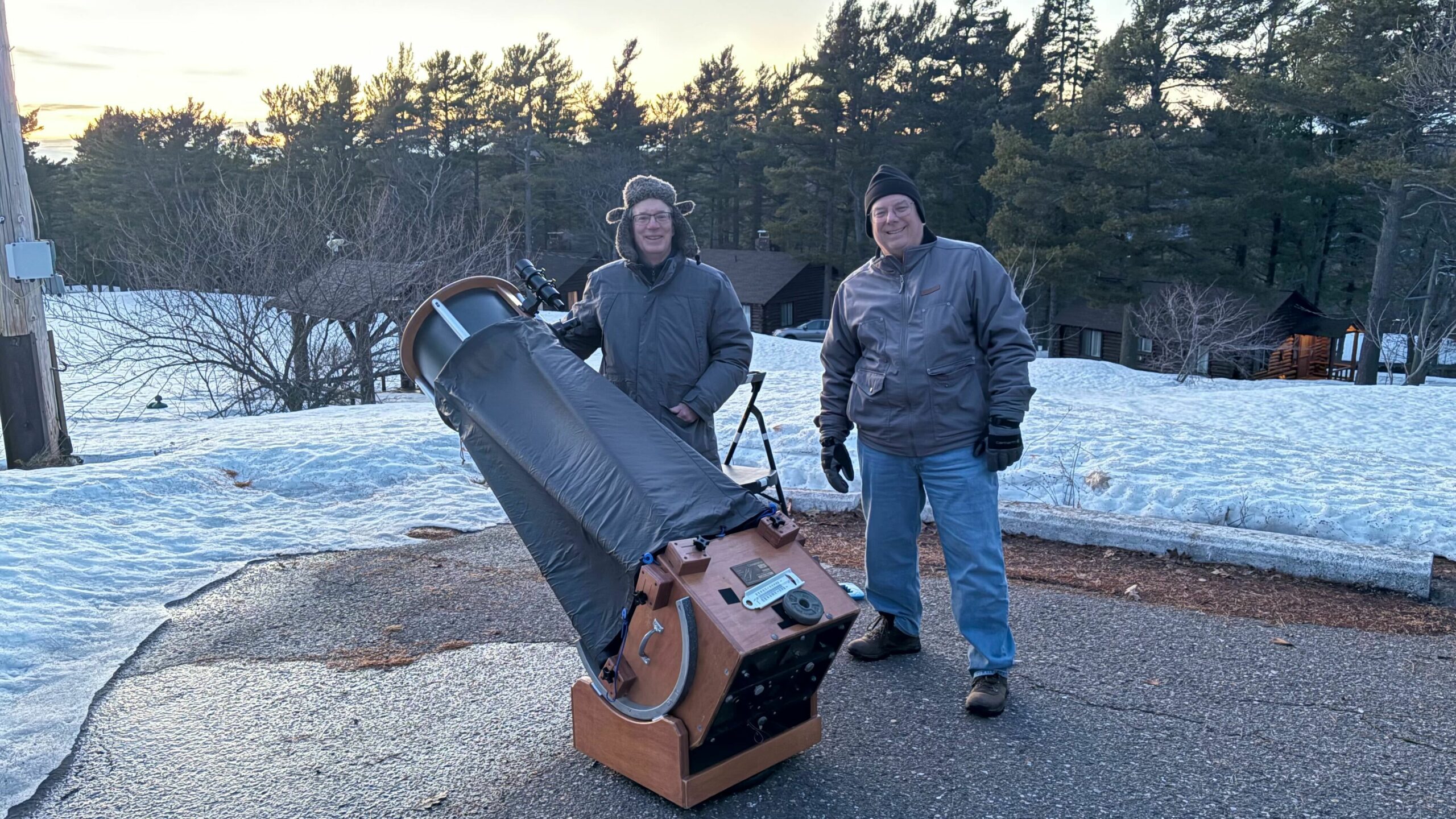
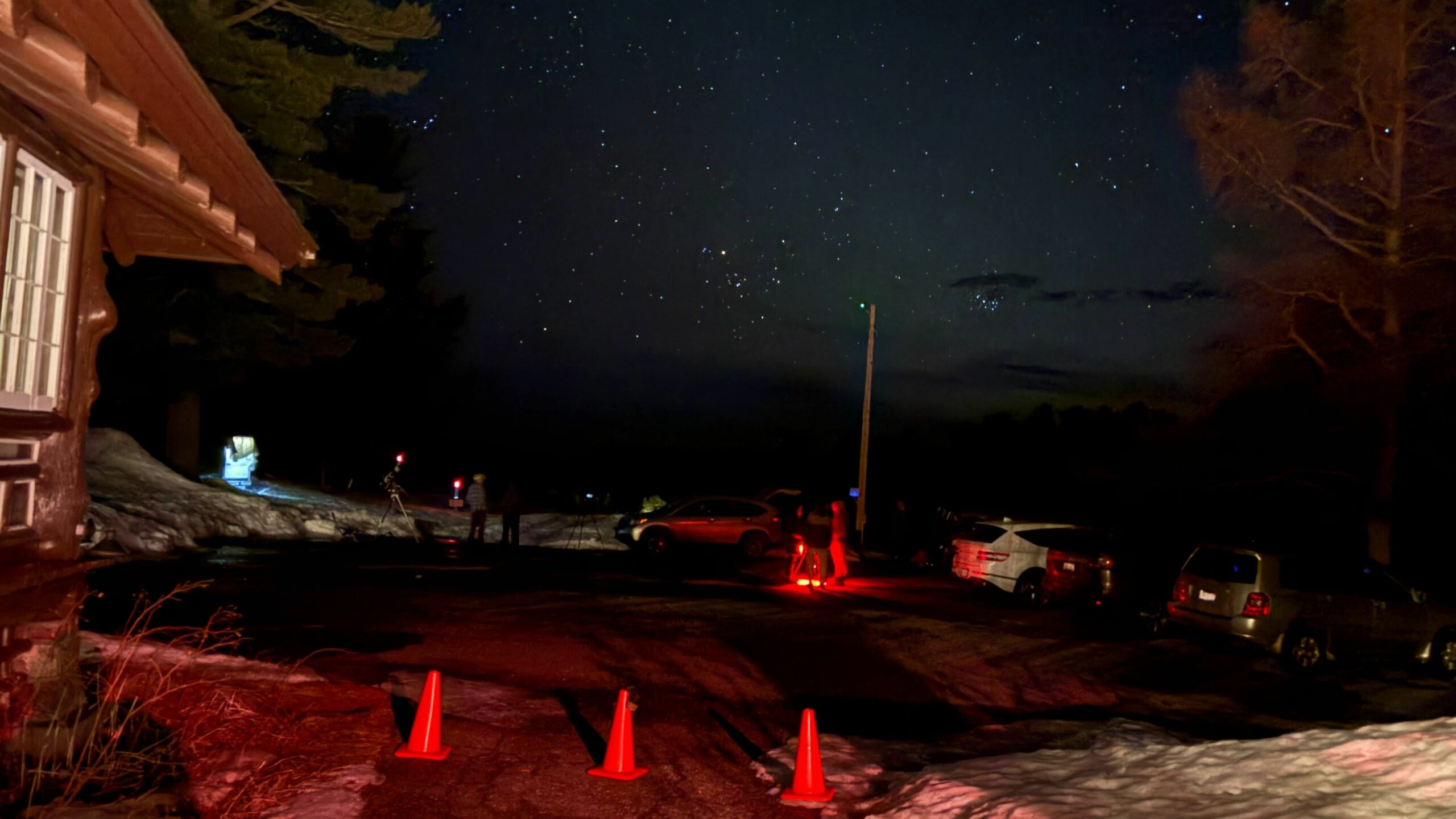
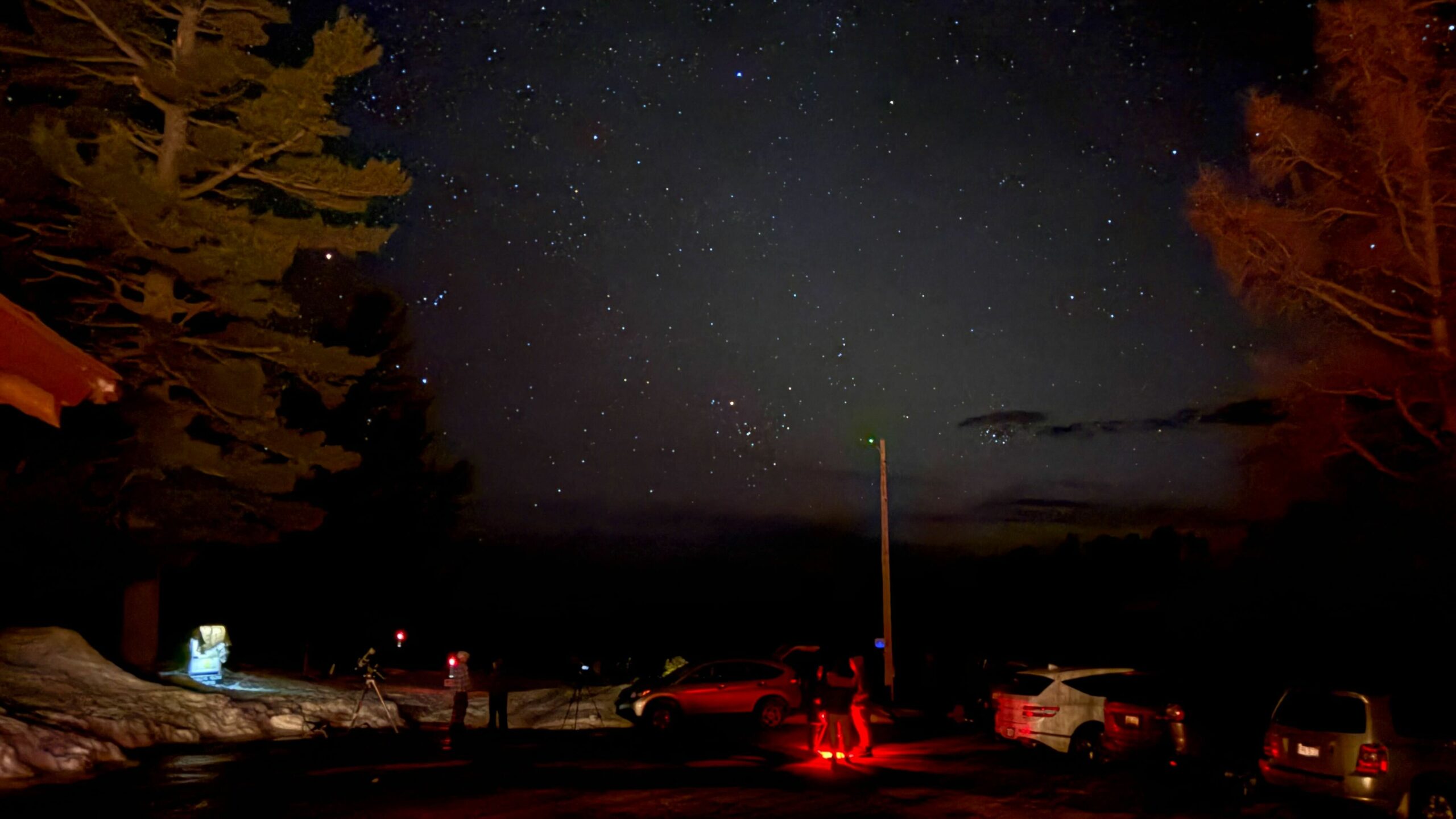
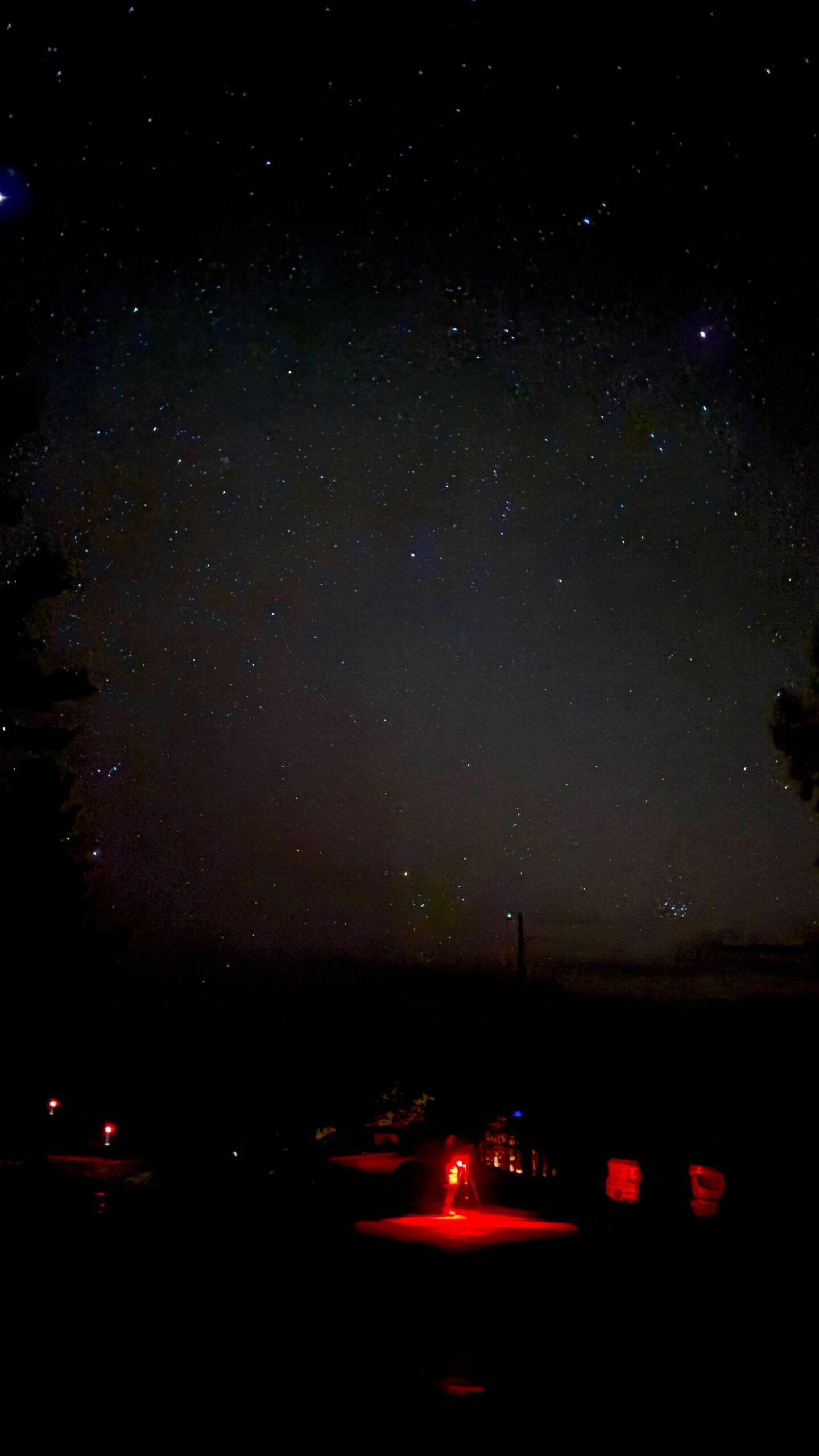
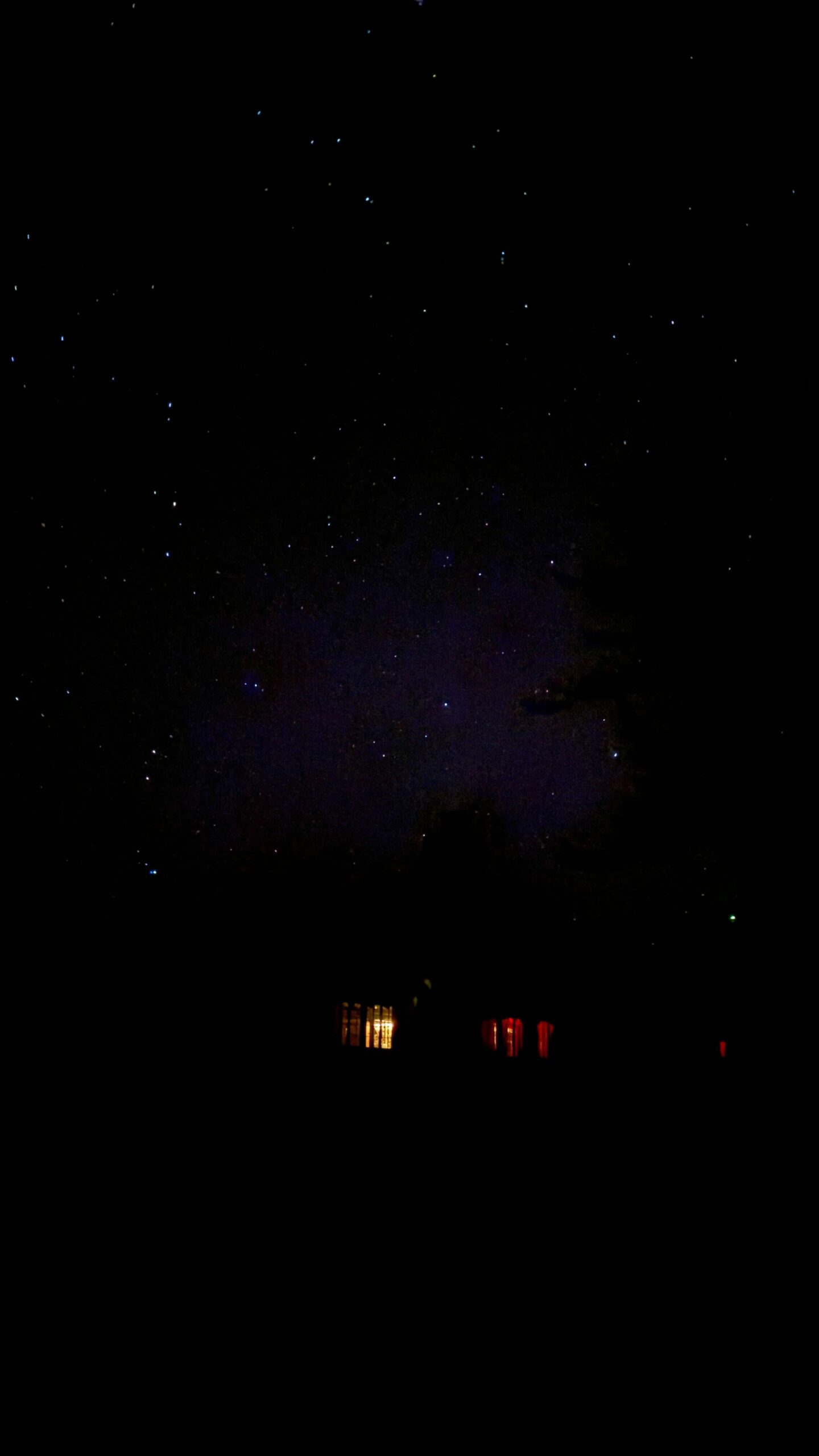
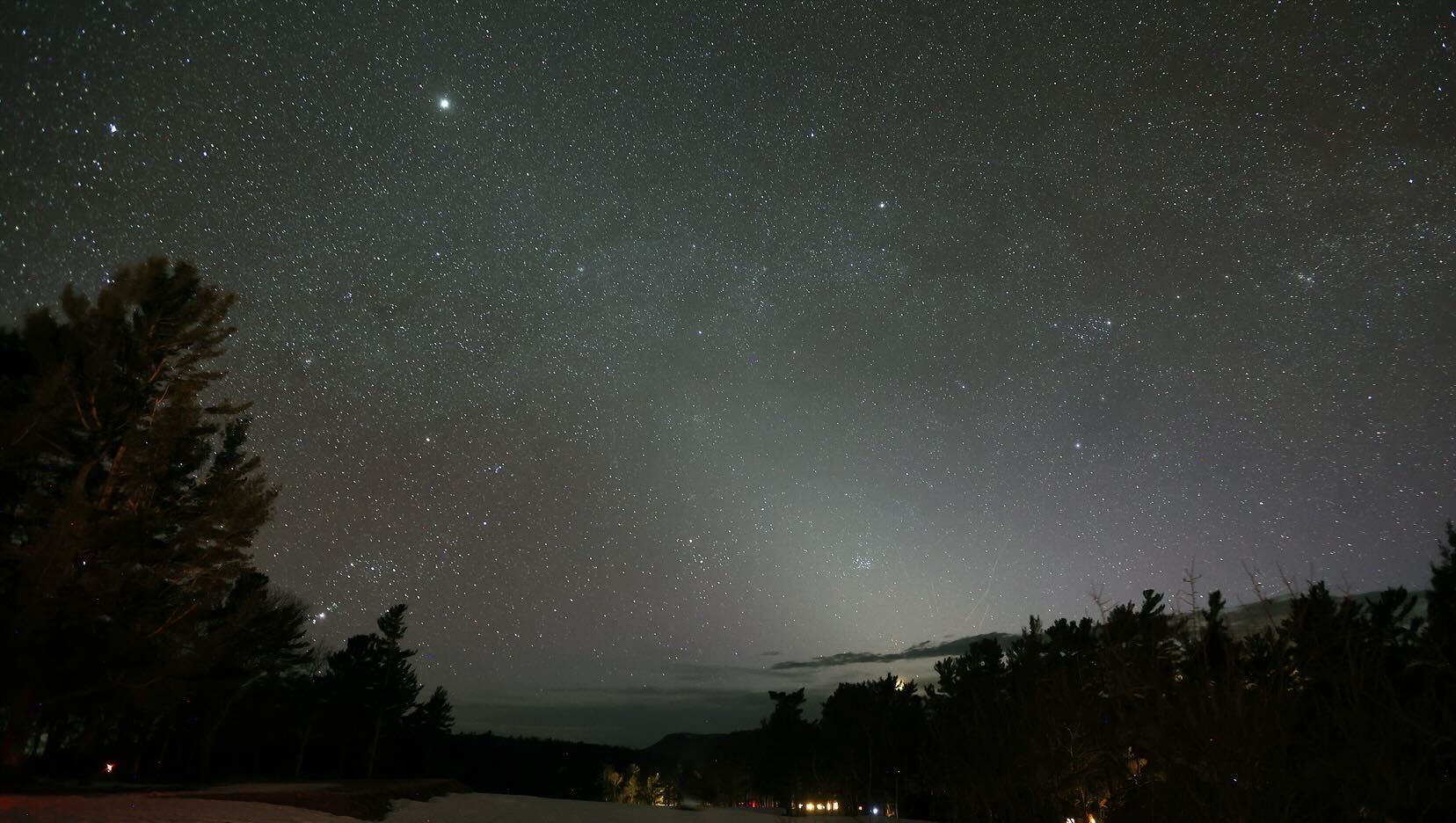
Stargazing, on Thursday Night
A clear night. Thousands of stars and more could be seen easily with the naked eye. And when Andrew Johnson and Bob King brought out their telescopes, much much more was seen close up.
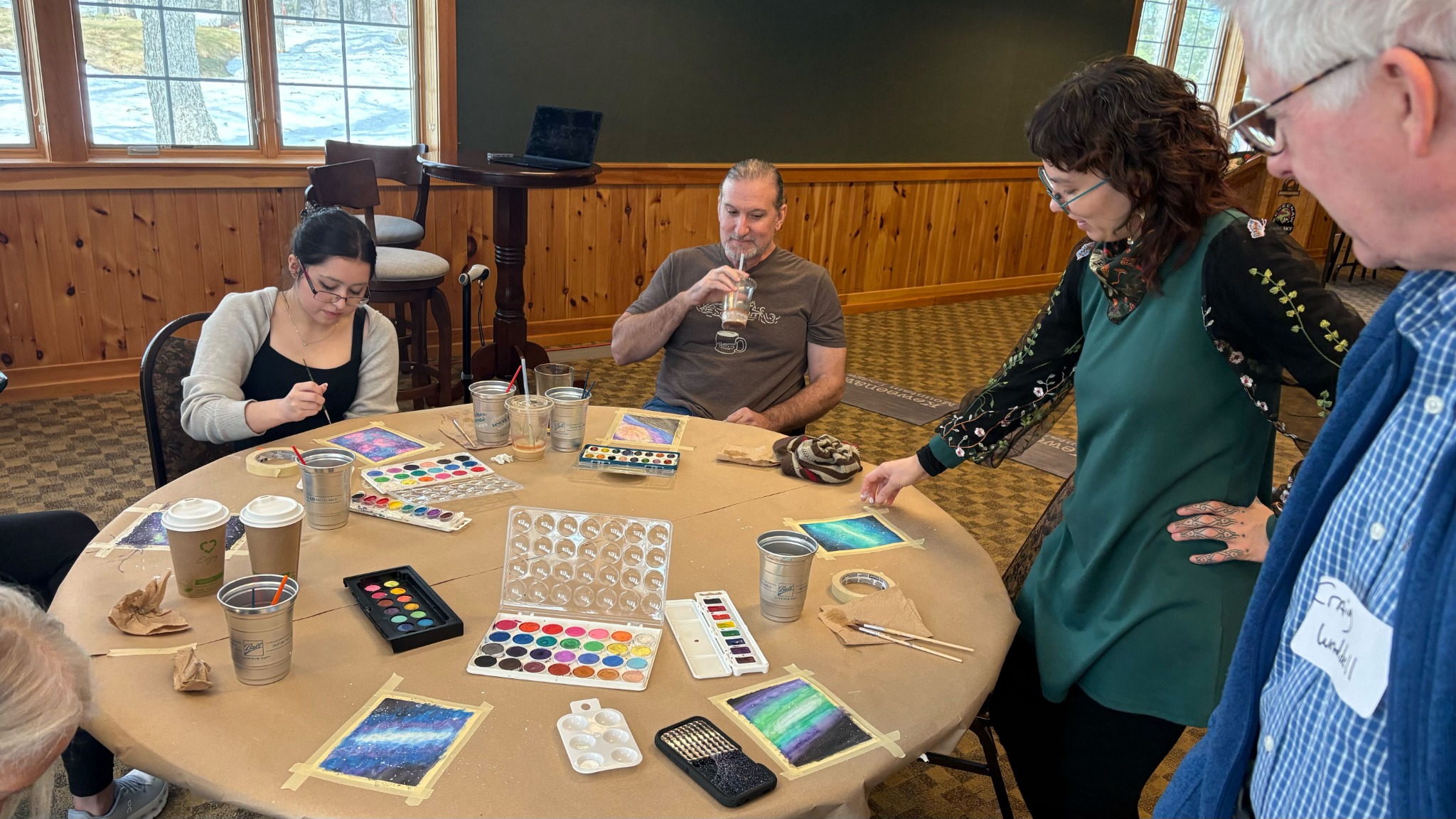
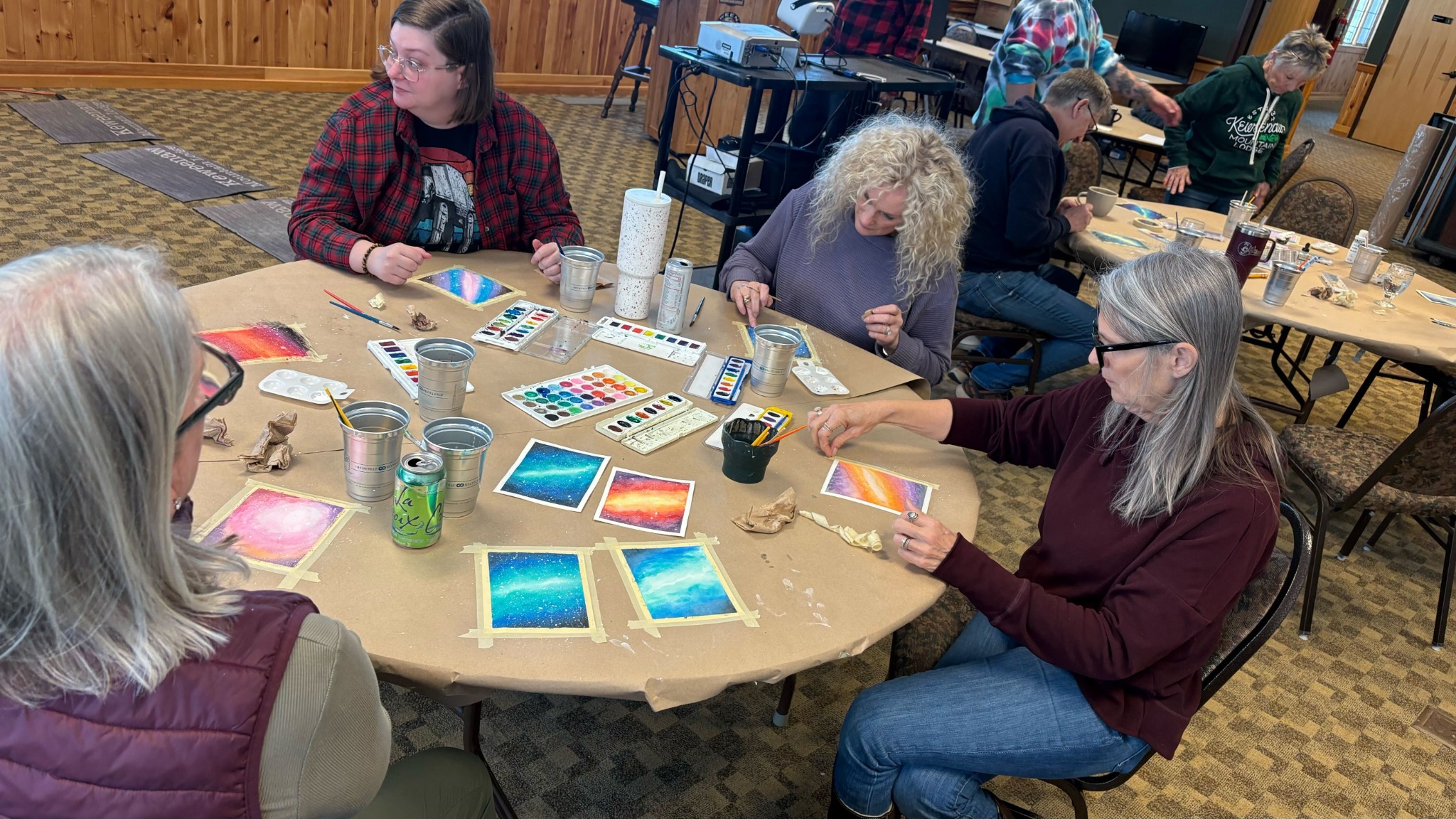
Dark Sky Watercolor Workshop, with Lindsay Naylor
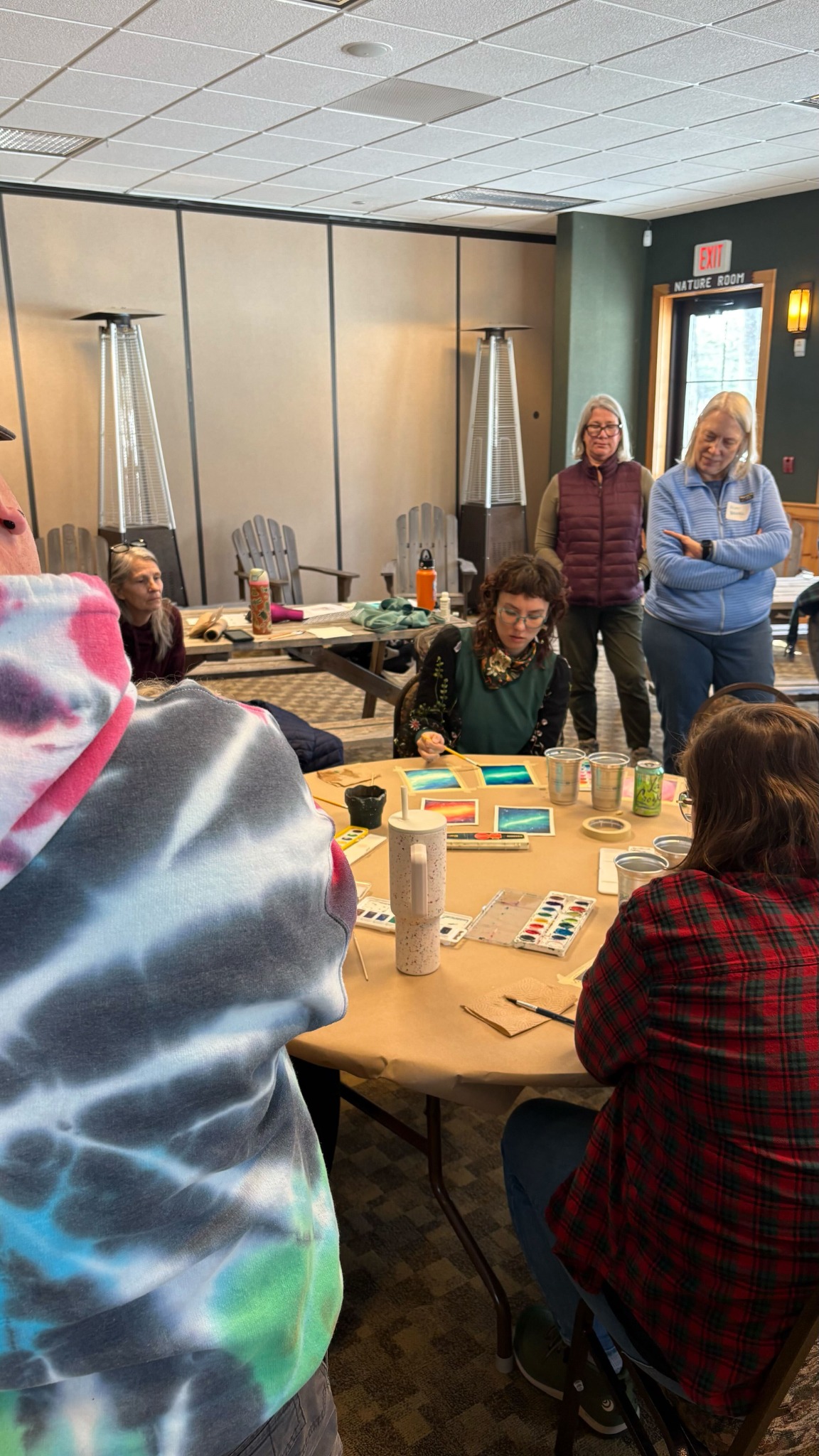
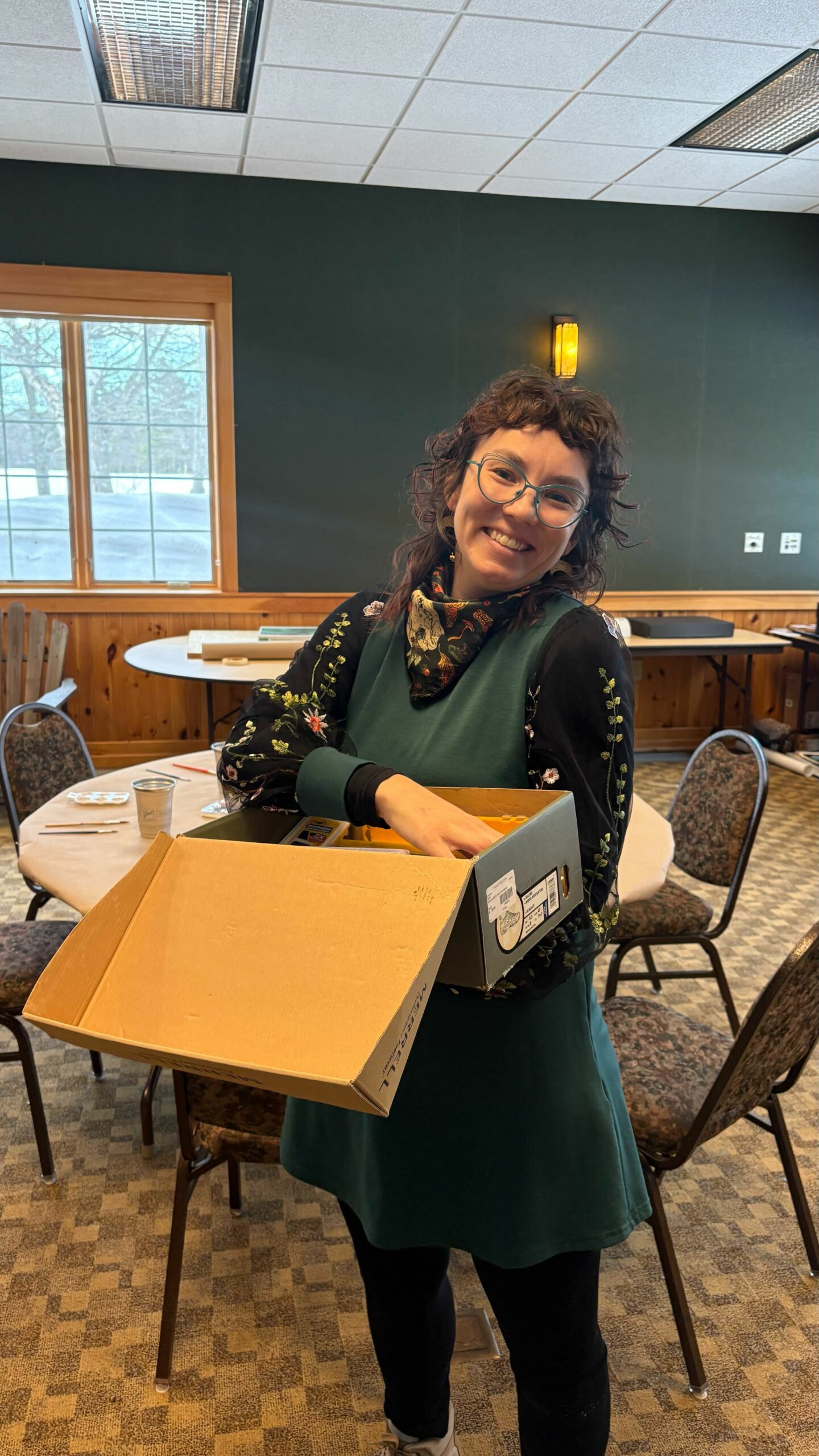
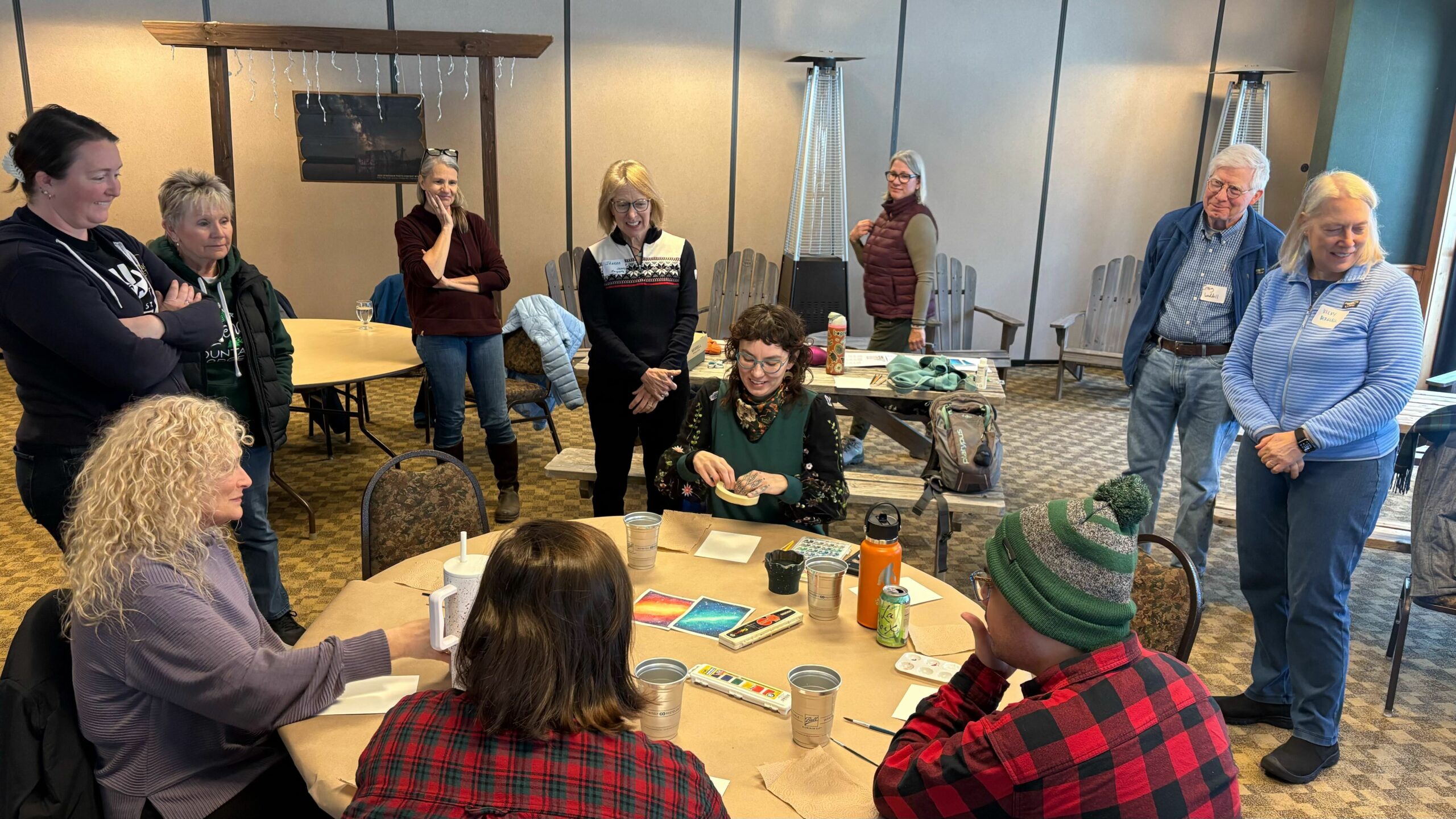
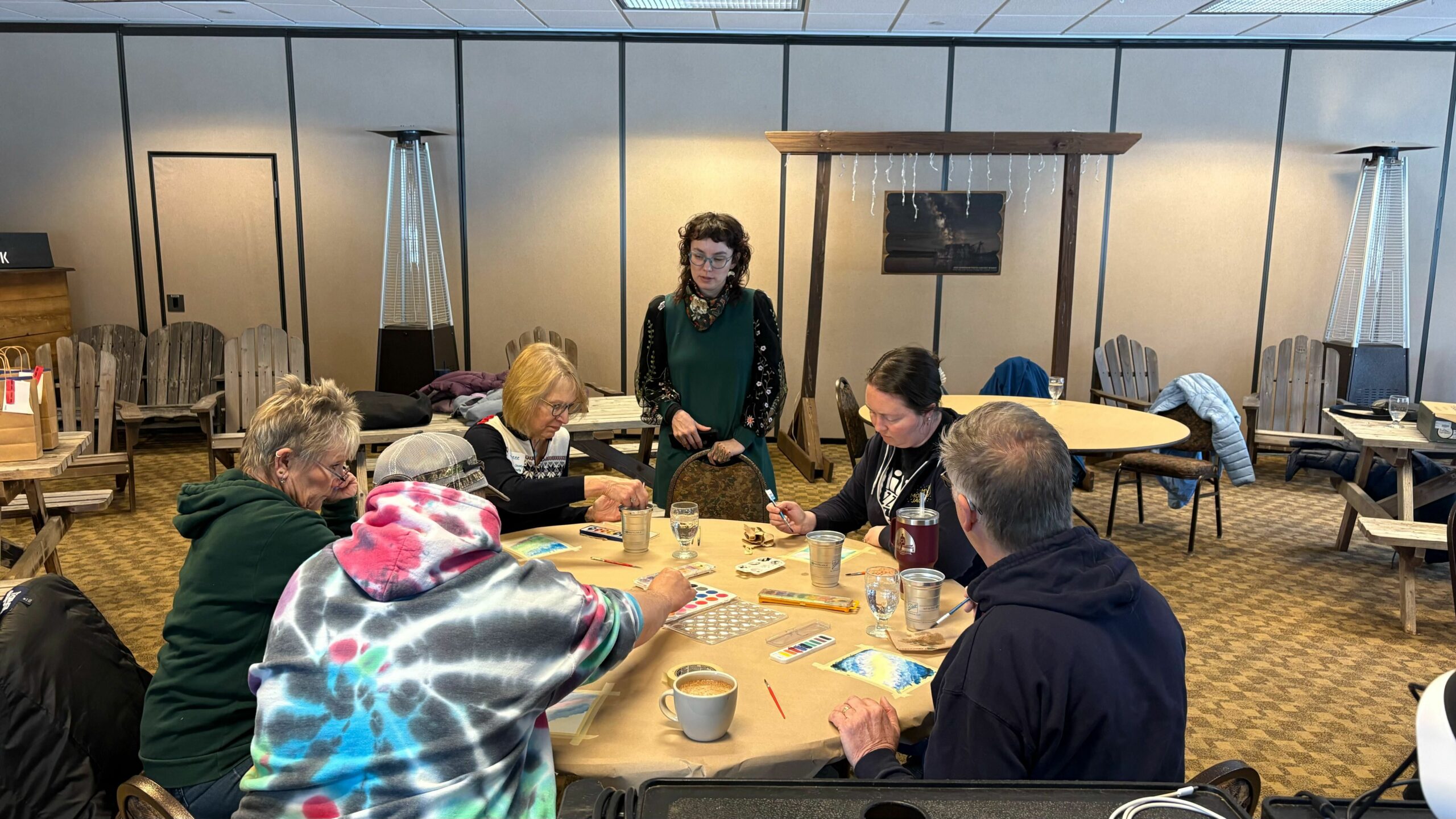
These photos show the small group in the watercolor workshop that took place in the Education Center’s Class Room. People gathered around tables, using watercolor paint sets and brushes (and cups of water) to paint colorful scenes — night skies or aurora-style gradients with stars. Some participants actively painted, while others are watched listened to Lindsay Naylor, who guided the activity. The guided watercolor painting workshop followed the theme of night skies and nature, and was a nice relaxing, creative activity at the festival.
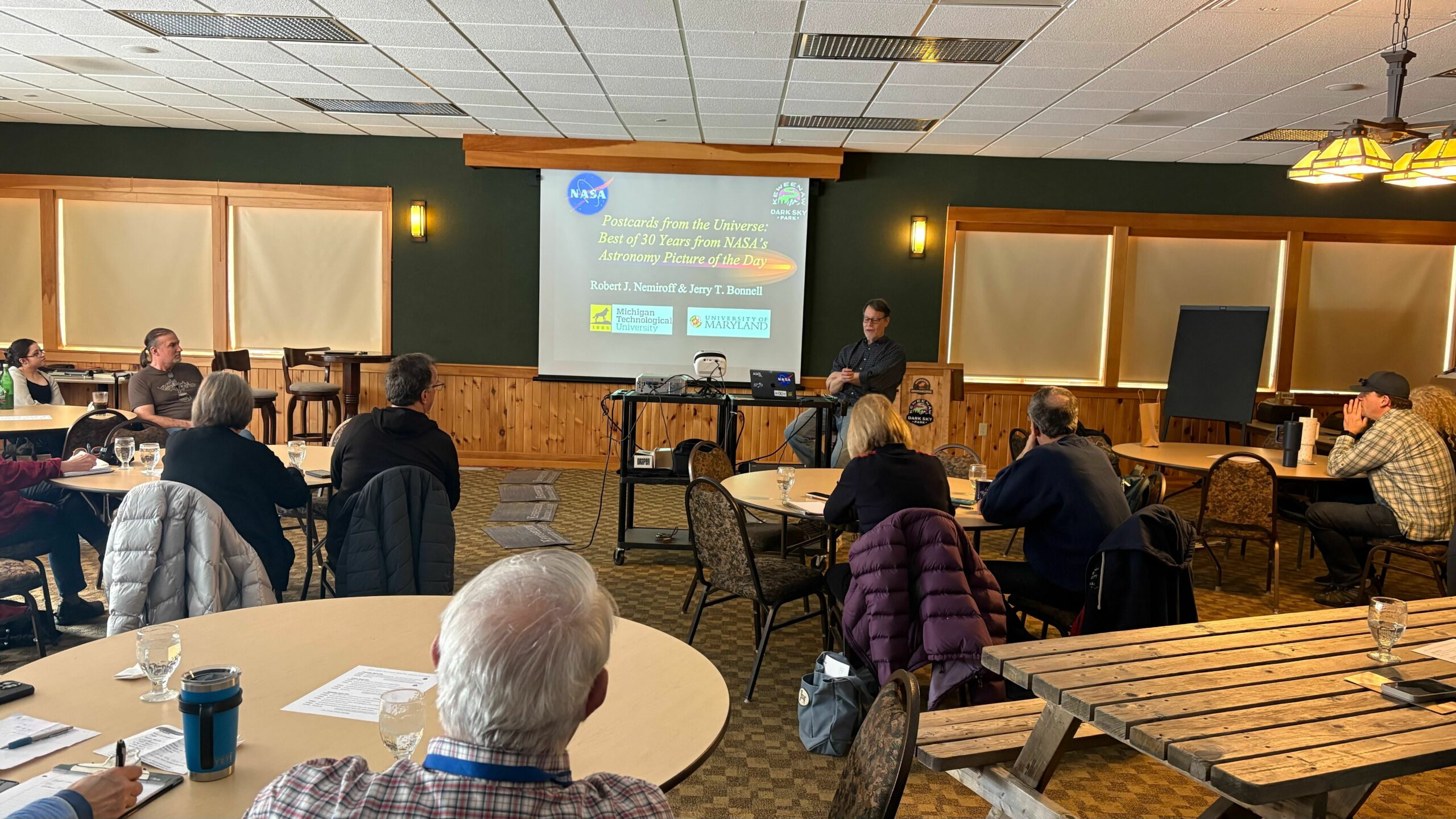
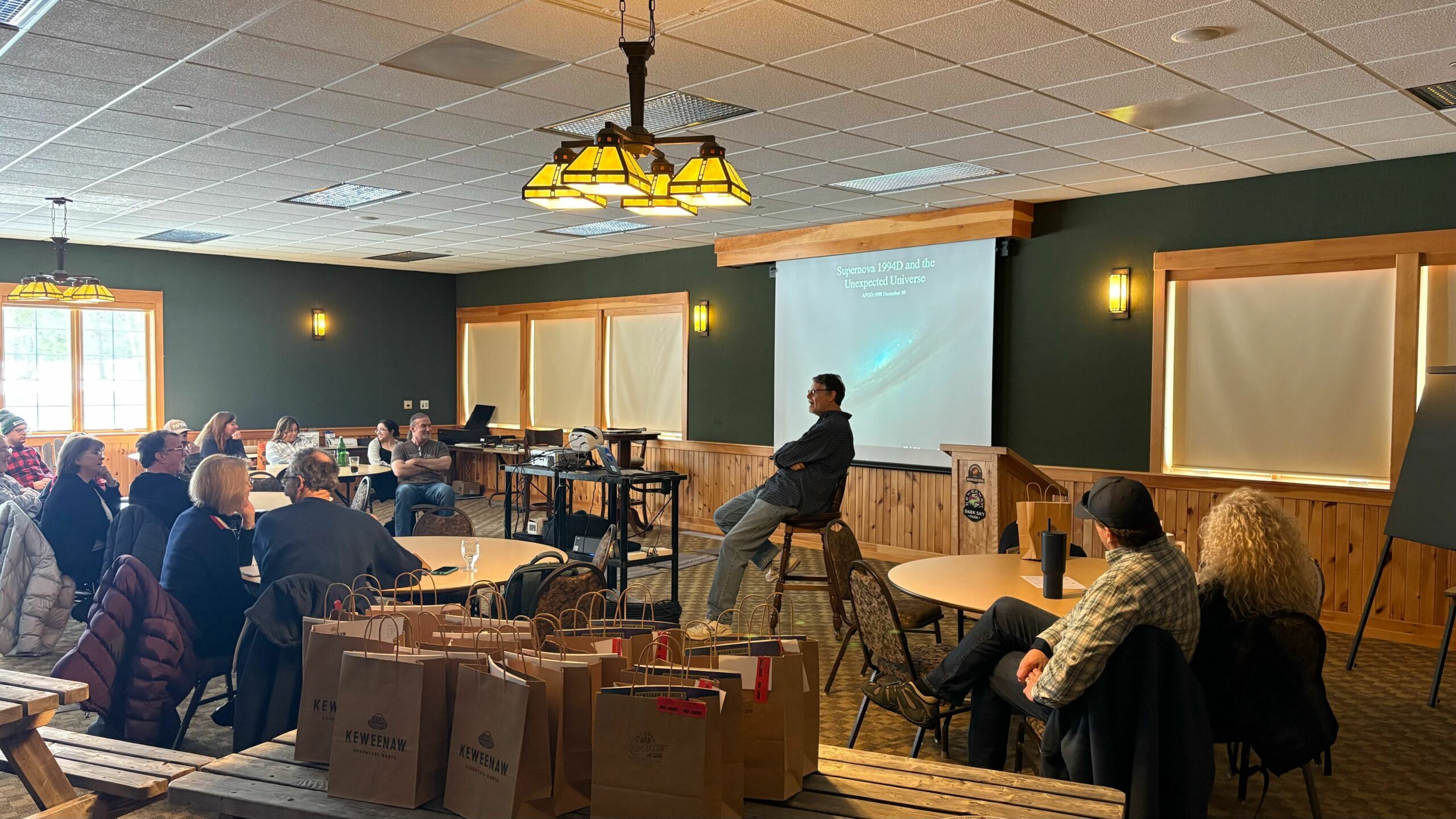
Postcards from the Universe, with Robert Nemiroff
It has been 30 years since Dr. Robert Nemiroff and a colleague started the photo of the day, which a new photo related to the universe (space) has been presented. He went through several of the photos that they have selected over the past 30 years and provided narrative to each of the photos.
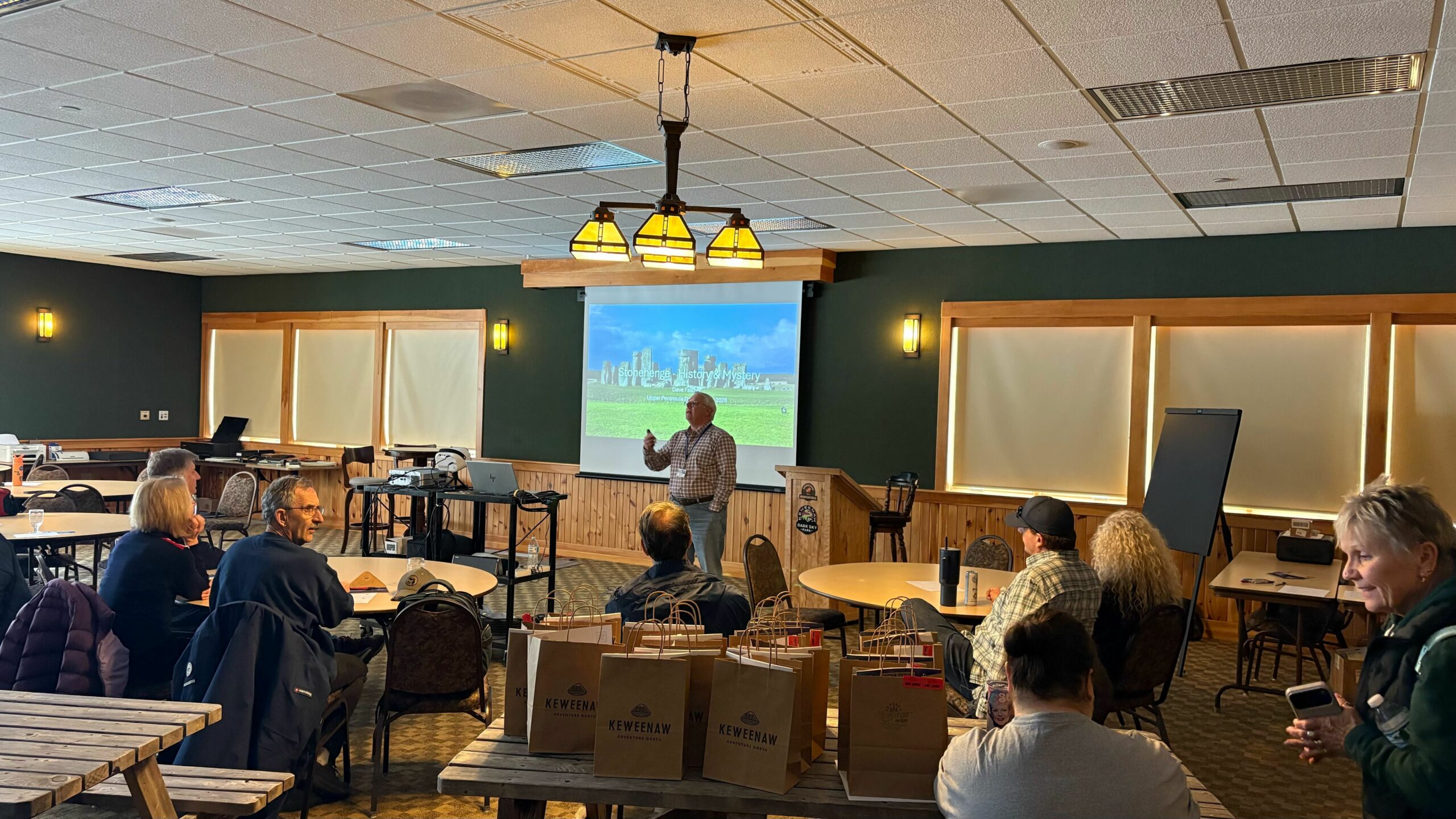
Stonehenge: History and Mystery, with Dave Falkner
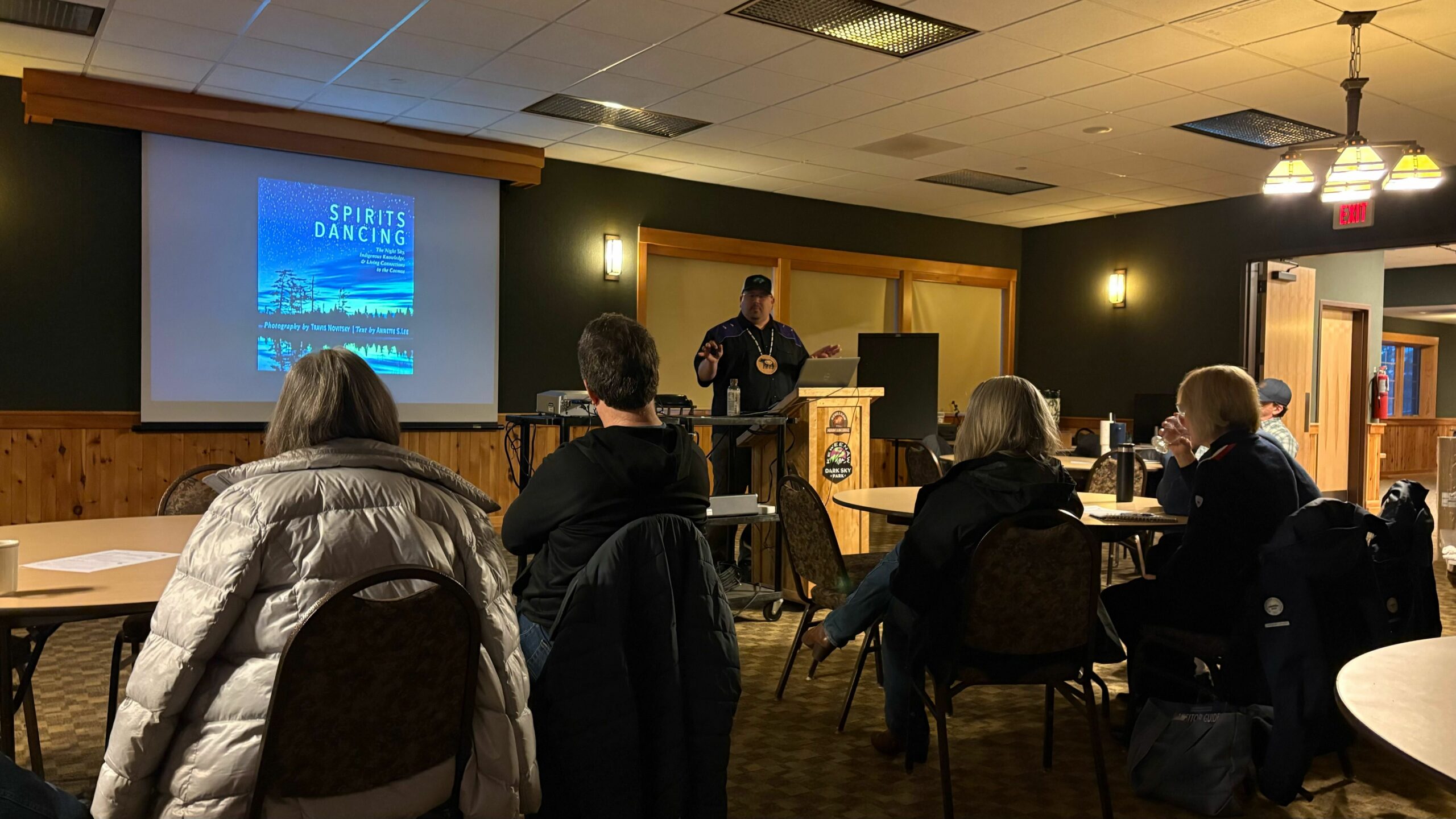
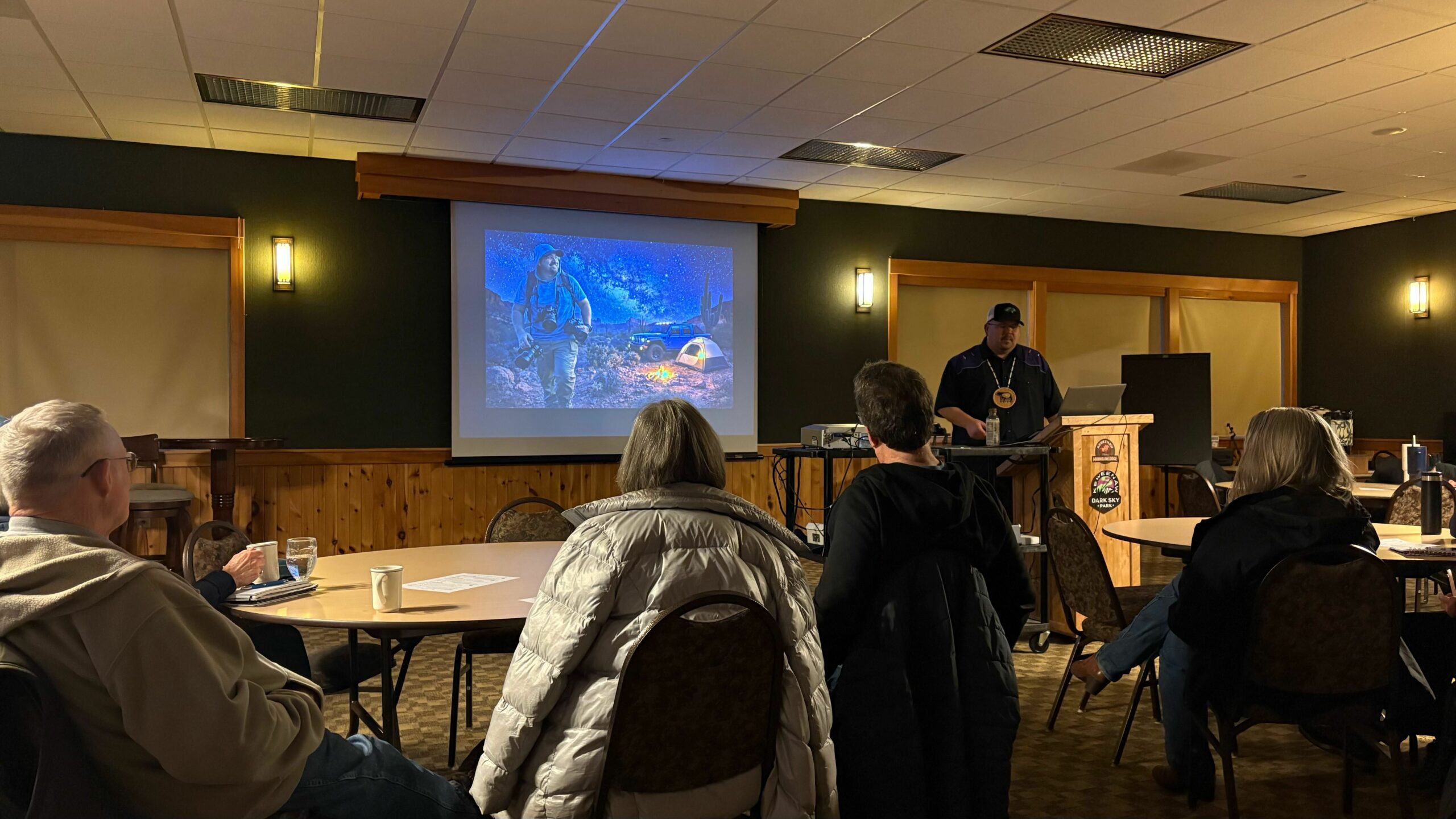
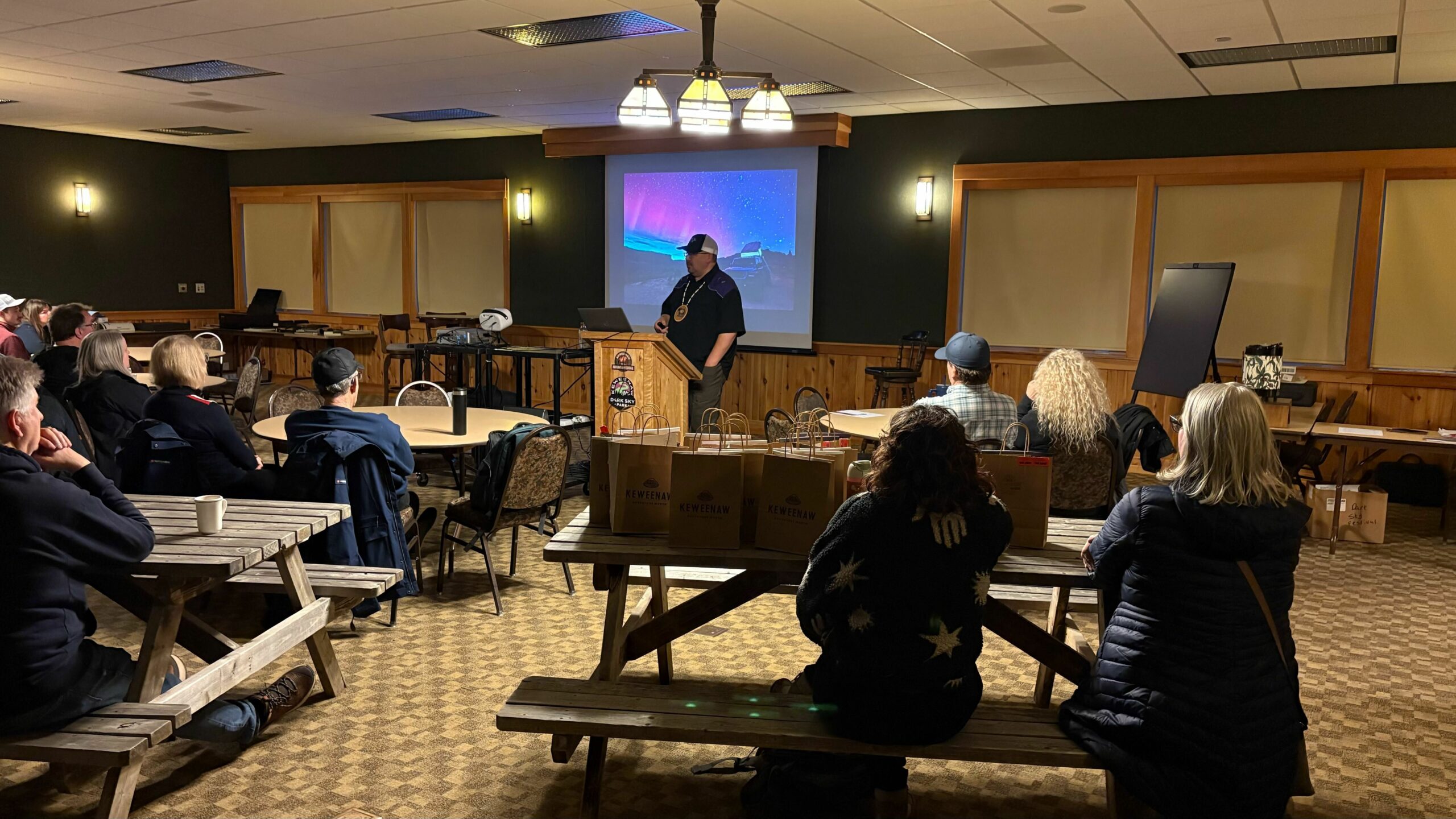
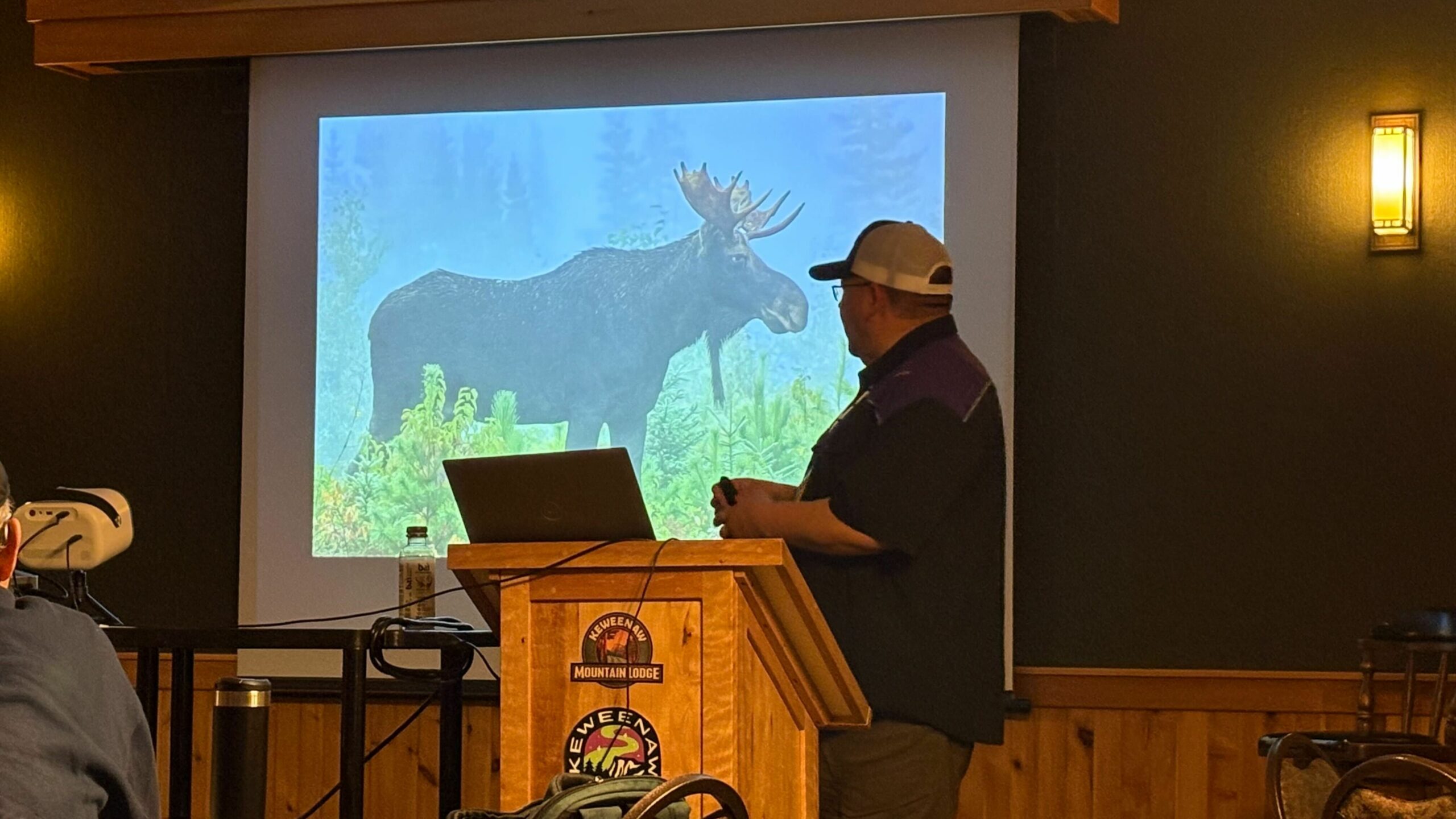
Finding Home among the Stars, with Travis Novitsky
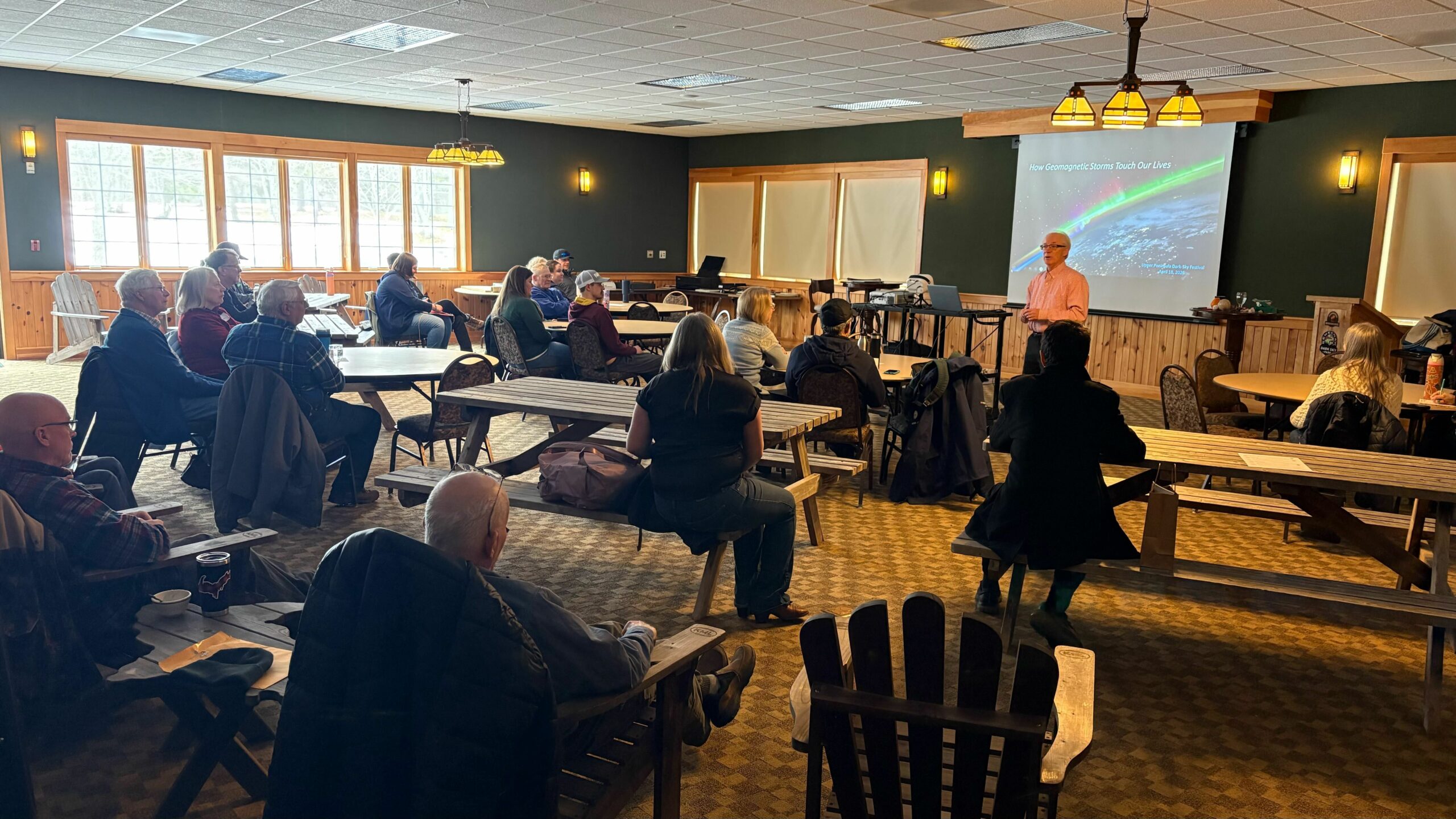
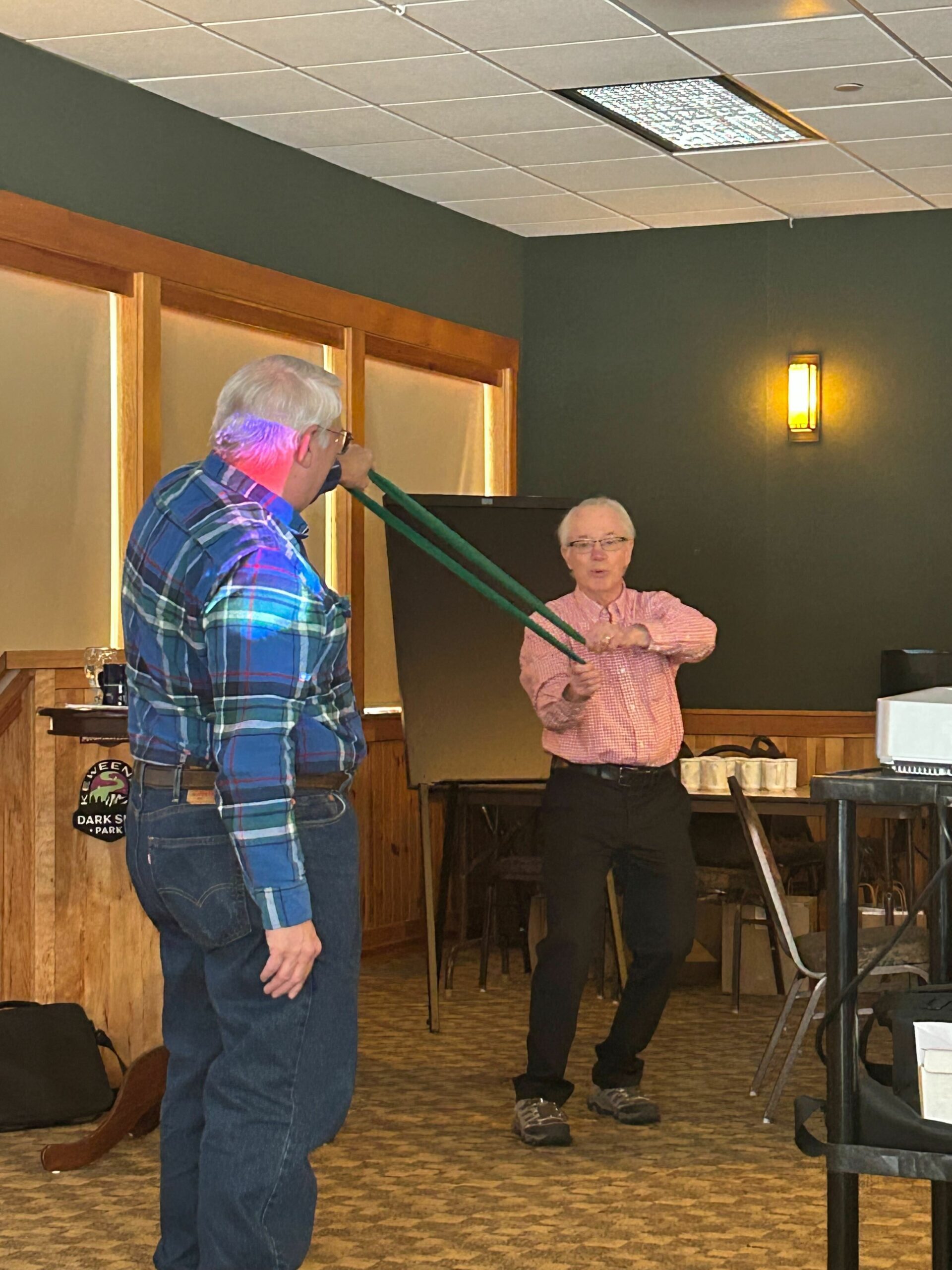
Geomagnetic Storm Effects, with “Astro” Bob King
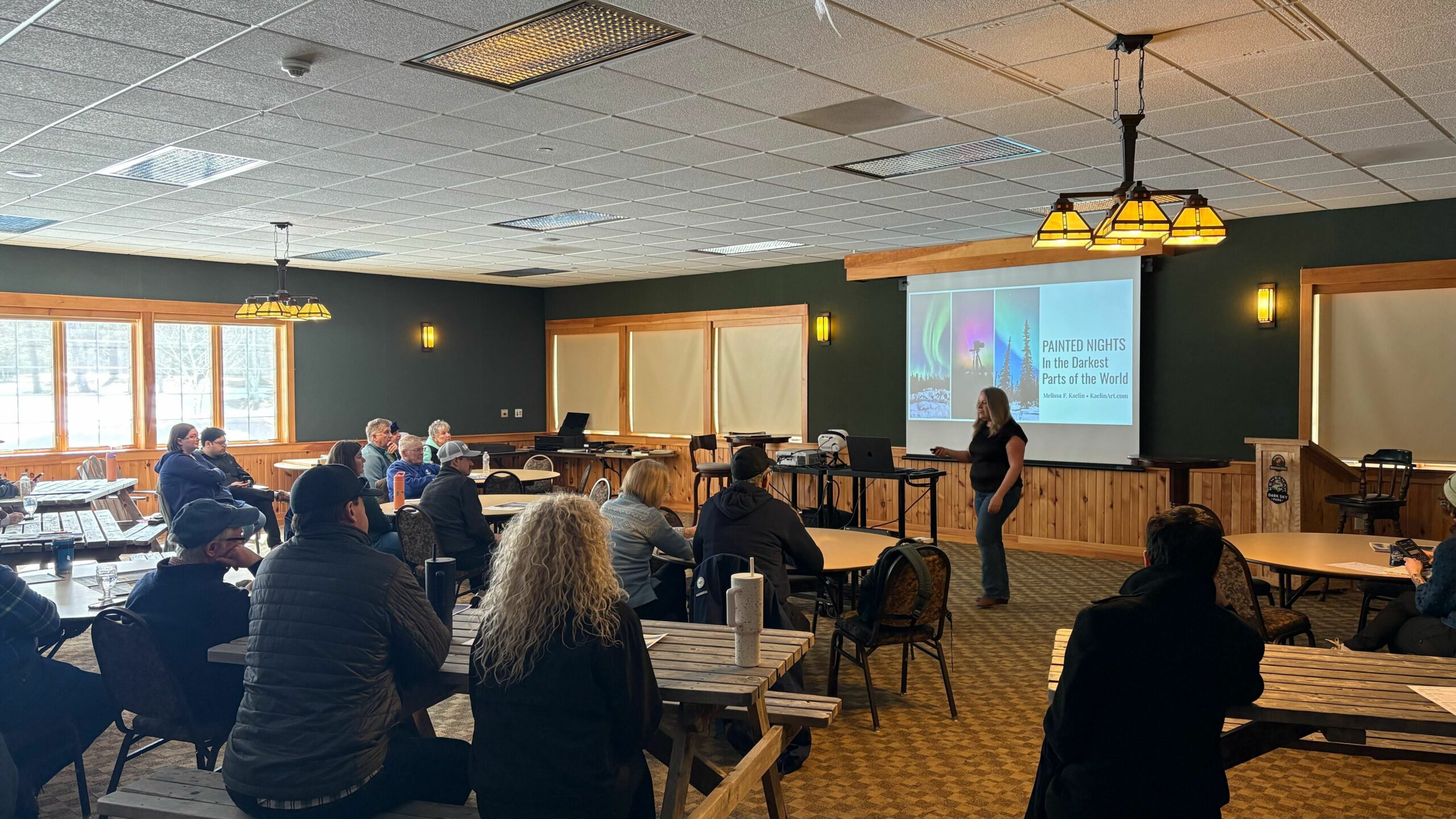
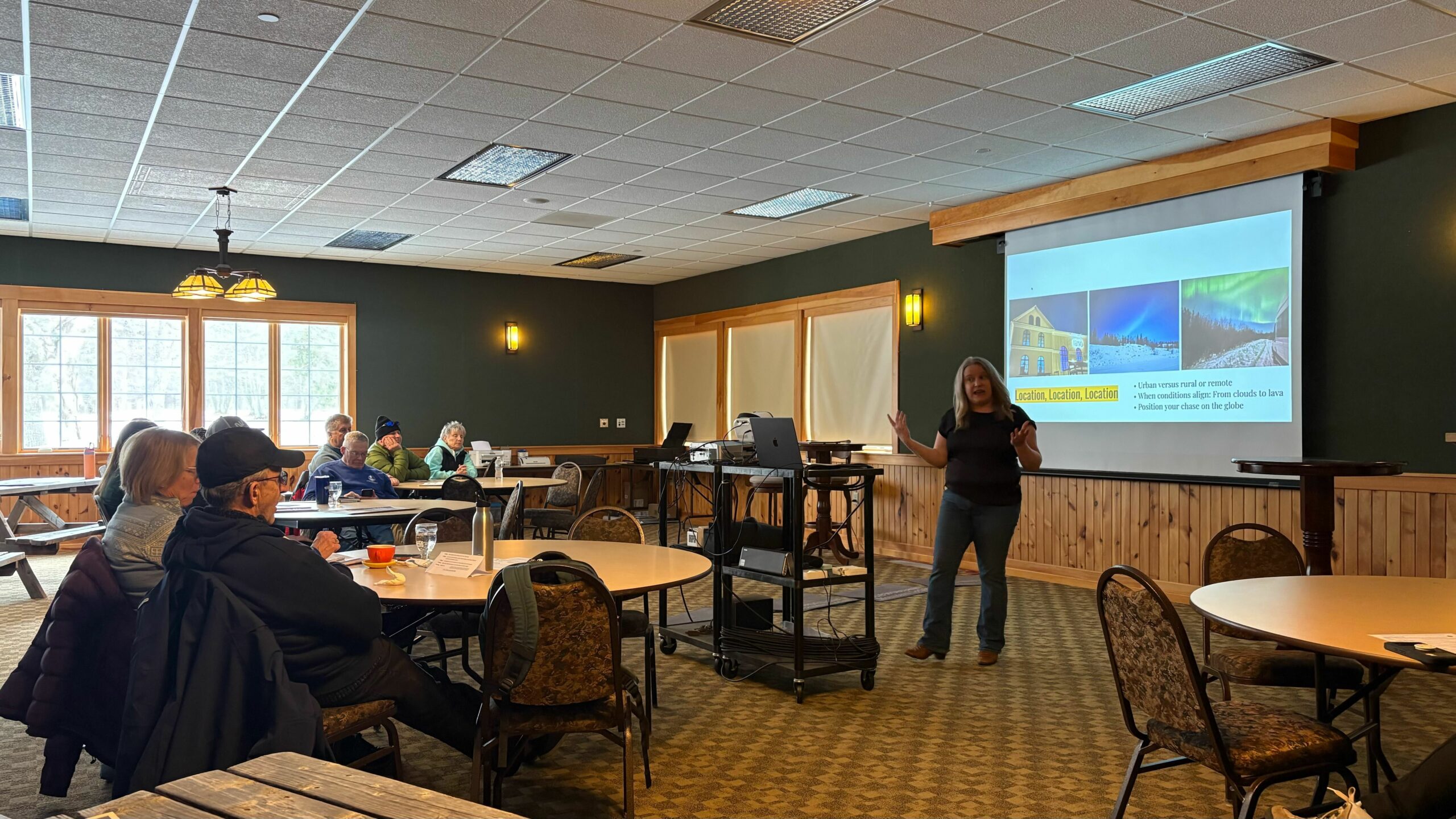
Painted Nights in the Darkest Parts of the World, with Melissa Kaelin
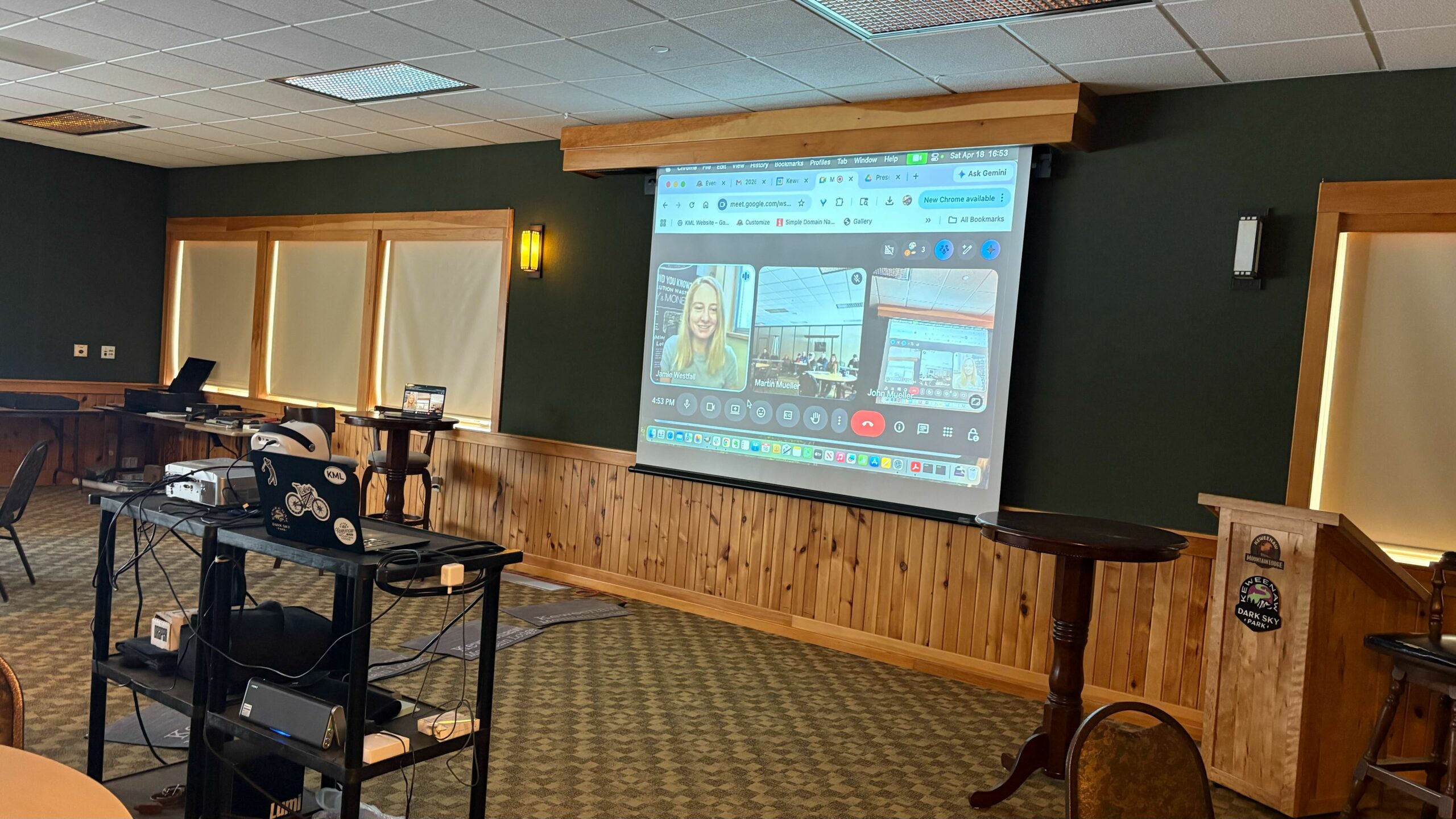
Leveraging Economic Incentives for Darker Skies, with Jamie Westfall
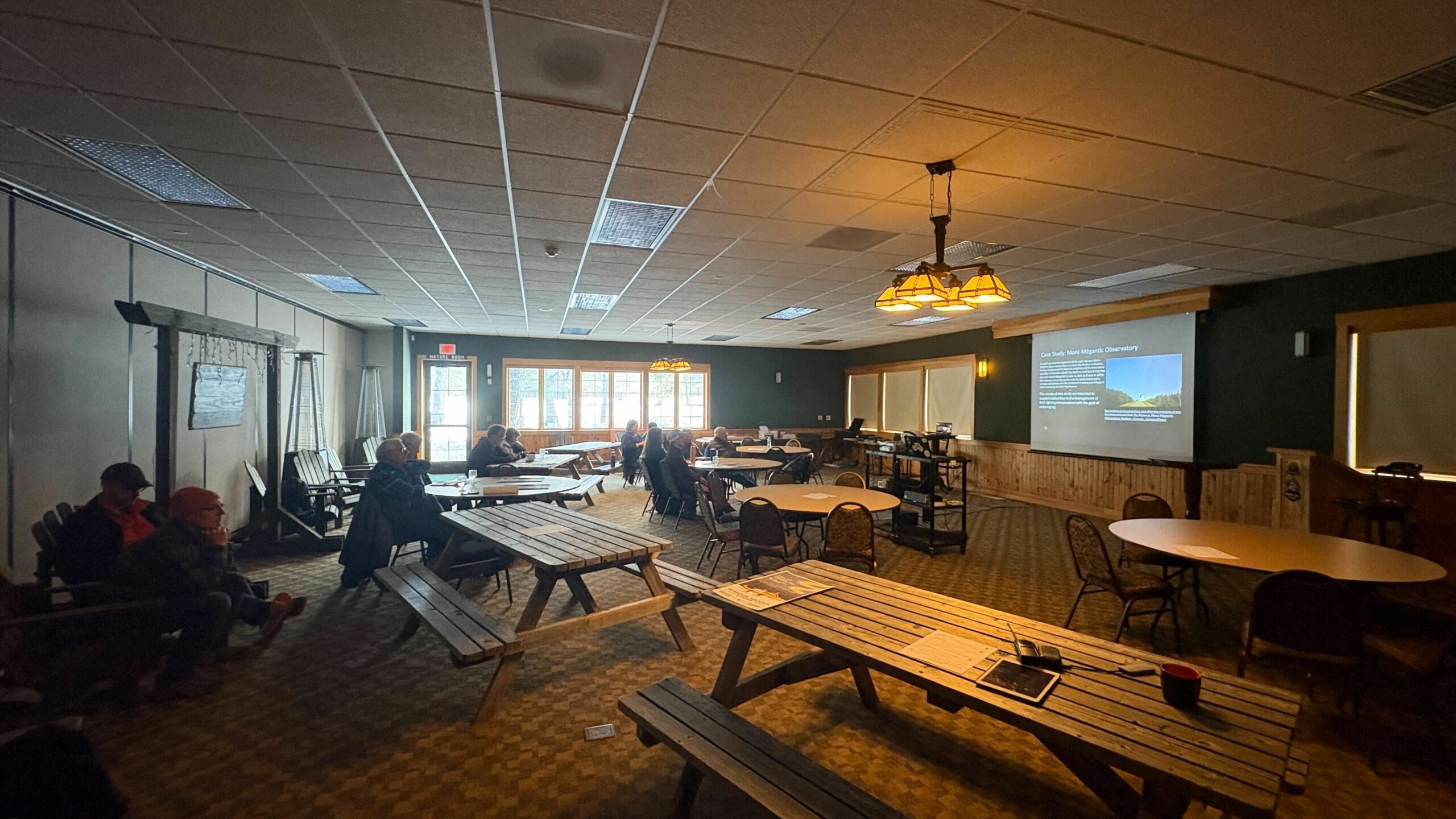
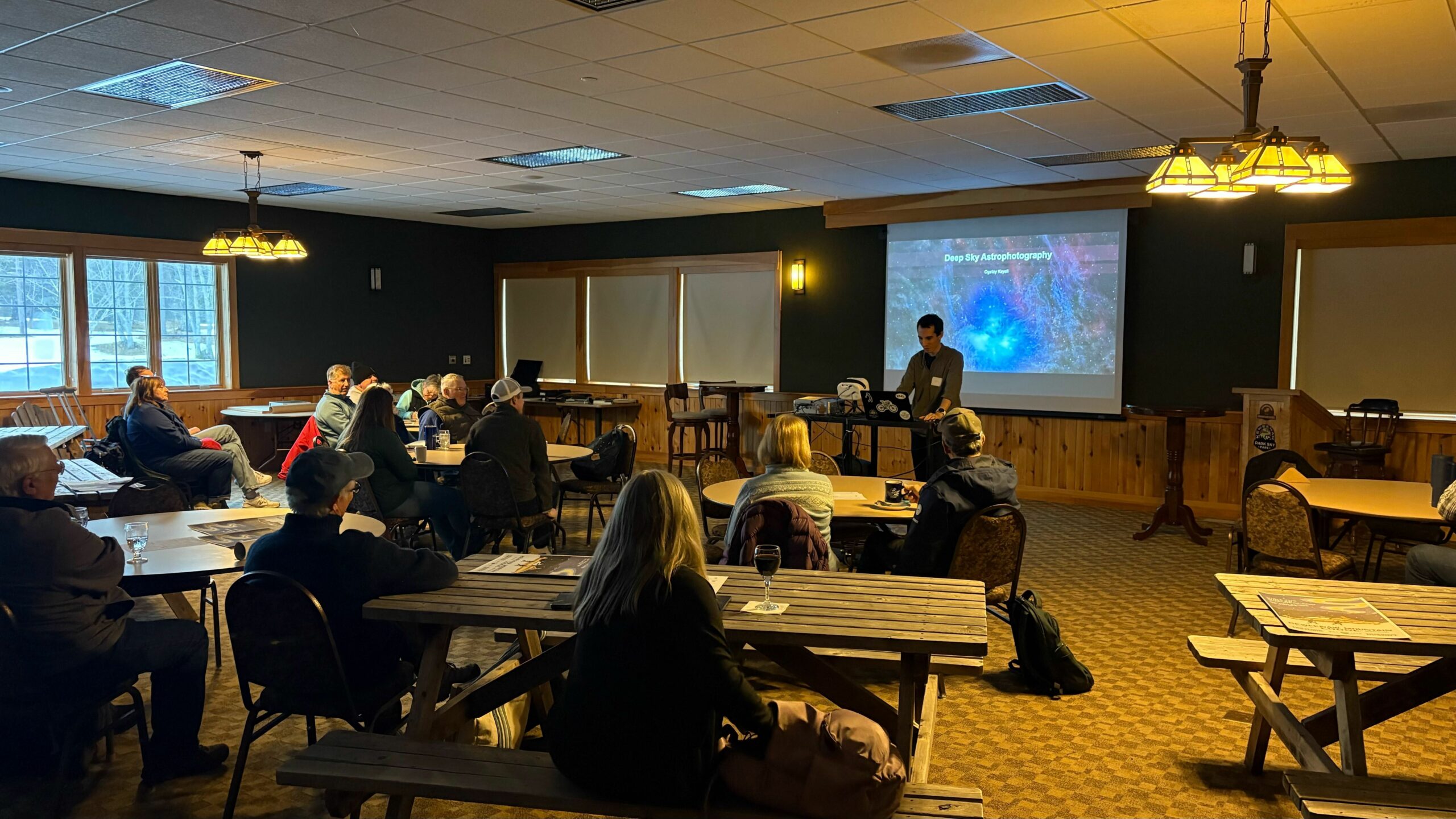
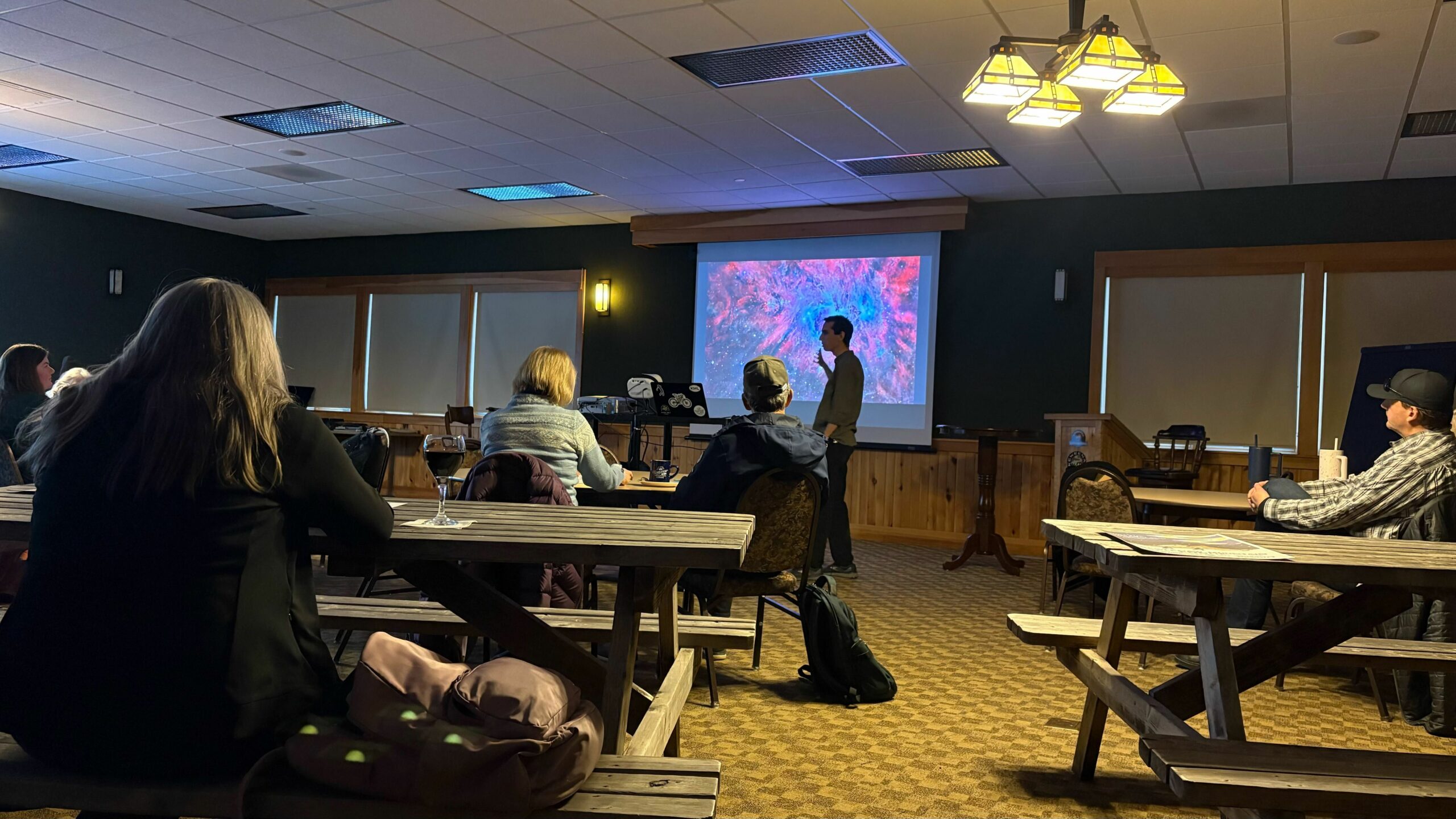
Deep Sky Astrophotography under Dark Skies, with Ogetay Kayali
Stargazing, on Saturday Night
The skies cleared late Saturday night, early Sunday morning, showing stars, the Milky Way, and faint auroras.