
- This event has passed.
International Dark Sky Week
April 13 - April 20
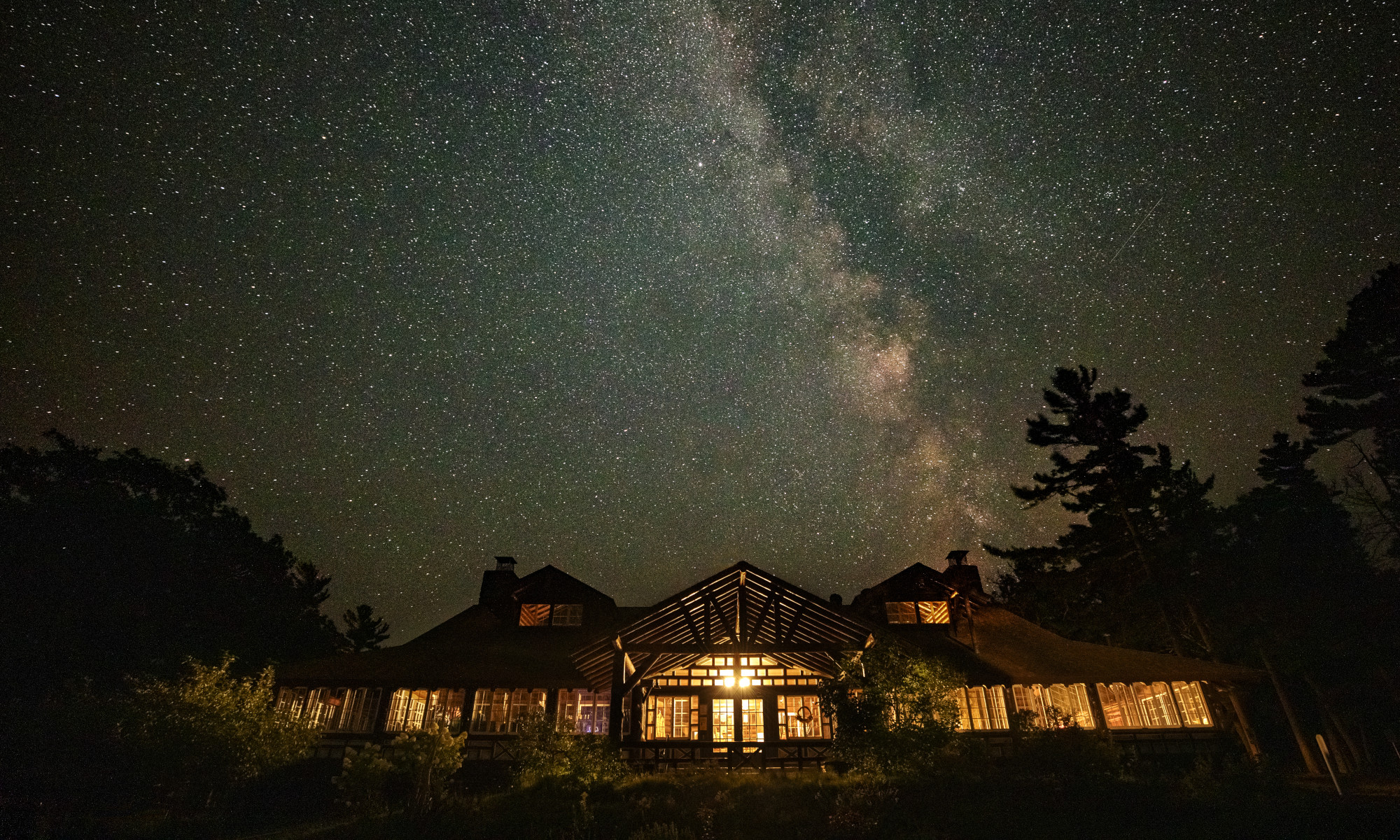
 International Dark Sky Week is a worldwide celebration of the dark and natural night. The goal is to draw attention to light pollution, promote simple solutions to mitigate the issue, and celebrate the irreplaceable beauty of a natural night.
Look up into the night sky. How many stars can you see? Light
pollution continues to grow at an alarming rate, doubling every
eight years, taking away our view of the stars while harming human
health and critical wildlife habitat. Did you know, smart and simple
lighting practices around your own home and community can make
a difference?
For many, the dark night is often misunderstood, unfamiliar, and frightening. But the night is filled with wonder and awe and is critical to the health and well-being of our planet.
Join DarkSky International as people around the world discover the night together and learn about the effects of light pollution and actions we can take to embrace the dark and save the night. [ Learn more ]
International Dark Sky Week was started by high school student Jennifer Barlow in 2003 and is now spearheaded by DarkSky International. In explaining why she started the week, Barlow said, “I want people to be able to see the wonder of the night sky without the effects of light pollution. The universe is our view into our past and our vision into the future. I want to help preserve its wonder.”
About Light Pollution
Did you know that light can be a pollutant? Overly bright and unnecessary outdoor lighting creates glare and skyglow, destroying critical nocturnal wildlife habitats, harming human health, and diminishing our view of the stars.
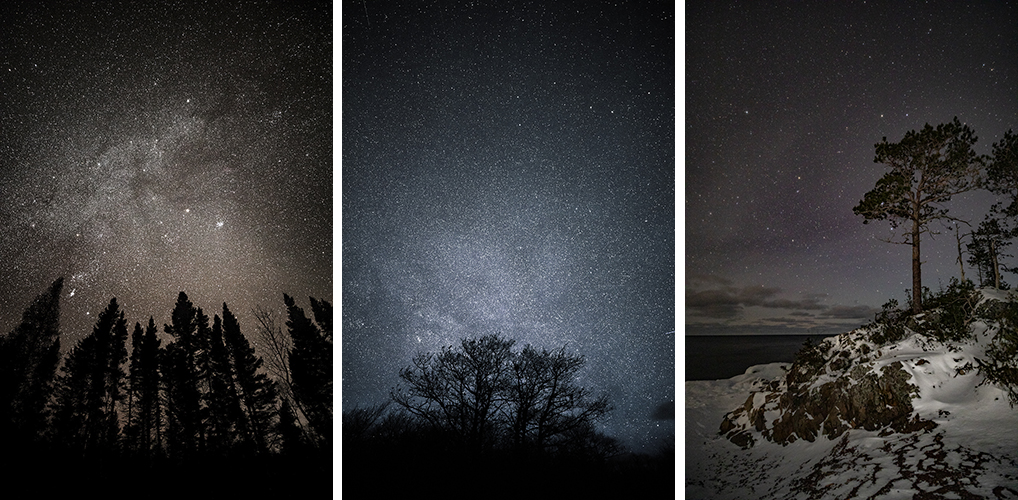
As lighting options become more inexpensive and brighter, we are illuminating the night more and more. Every eight years, light pollution around the world doubles! Today, 80% of the world’s population lives beneath light-polluted skies. 8 out of 10 children will grow up never seeing the Milky Way.
While lighting at night is necessary in today’s world, there are easy steps you can take to ensure your lights protect the night! Check out DarkSky’s Five Principles for Outdoor Lighting! [ Learn more ]
Wildlife at Night
Did you know plants and animals depend on natural light cycles to govern life-sustaining behaviors such as reproduction, nourishment, sleep, and protection from predators? Scientific evidence suggests that artificial light at night has deadly effects on many creatures, contributing to declining biodiversity worldwide.
Artificial lights can cause migrating birds to wander off course toward dangerous cityscapes. Millions of birds die every year when they collide with needlessly illuminated buildings and towers.
Hatchling sea turtles find the sea by detecting the bright horizon over the ocean. Artificial lights draw them away from the ocean. In Florida alone, millions of hatchlings die this way every year.
We are just starting to understand the devastating effects
of artificial light on habitats. [ Learn more ]
Human Health and Well-being
Did you know our health is dependent on the dark? Over the past 100 years, humans have transformed the night, erasing the natural= darkness with which we evolved. While artificial light at night is crucial to our modern world, it comes at a cost.
Increasing scientific research indicates that artificial light at night harms human health, including circadian rhythm disruption and decreased melatonin production, leading to an increased risk of obesity, diabetes, mood disorders, reproductive problems, and cancers. [ Learn more ]
Safety and Security
Lighting up the nighttime environment does not necessarily increase safety and security. Effective lighting that helps people be safe — not just feel safe — is a win-win situation for everyone.
Poorly designed outdoor lighting can backfire on safety. Bright and misdirected lights create shadows for criminals to hide, and some crimes, like vandalism, thrive in well-lit areas. Floodlights, for example, may highlight potential targets. [ Learn more ]
Learn more about what you can do to help to foster the
night at darksky.org.

Source: DarkSky International